







T-House

How to Make Your Lips Soft & Smooth
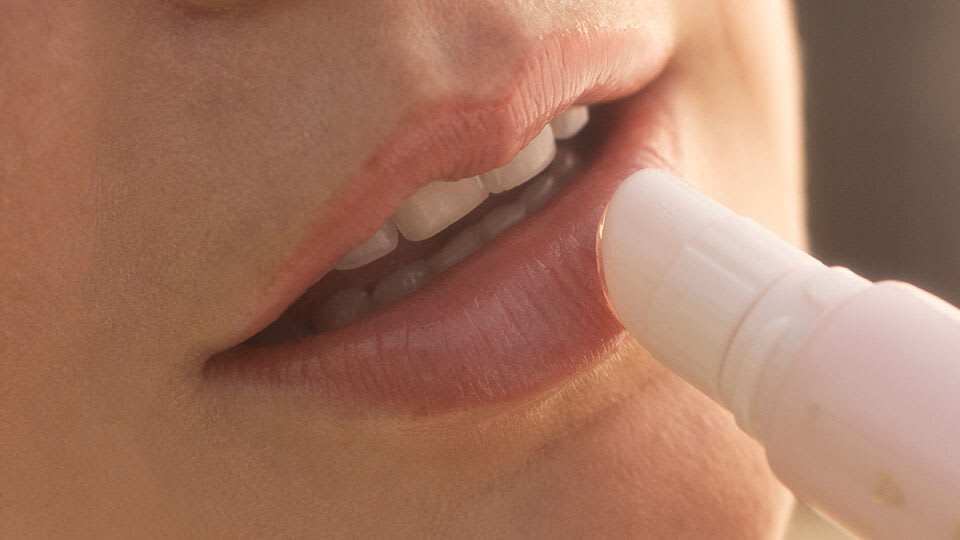
Achieving smooth and soft lips isn’t as simple as you might believe. But with these easy tips, you’ll have a shortcut to a plump, hydrated pout all year long. Wondering how to make your lips soft? You’re not alone and the task isn’t as simple as you might believe. While slathering on lip balms might feel like the only shortcut to smooth lips, there are many other beneficial steps to ensure you have a plump, hydrating pout year round. From exfoliating scrubs and treatments to balms and masks, here is your guide on how to get soft lips.Step One: ExfoliateExfoliating your face with a facial scrub? Of course. But exfoliating your lips with a lip scrub? Absolutely! While the niche product is often overlooked (unrightfully so), utilizing a lip-specific scrub can be tremendously beneficial on your journey for soft and smooth lips. A lip scrub is different from a facial scrub because it’s an exfoliating formula specifically made to be gentle enough on the delicate lip skin but effective enough to remove flakes, dry patches, and dead skin cells.A lip scrub is the perfect first step on your ‘how to get smooth lips’ path because not only will the exfoliant buff away dryness but the emollient component of the scrub will also instantly hydrate and soften lips.Step Two: TreatDid you know the skin on your lips is significantly thinner than the rest of your face? This is why the lip area can not only remain chronically dry but also be the first to show signs of aging, including a loss of volume, fine lines, and wrinkles. Normally solutions would come in the form of multiple steps and complicated products—until now. Lip treatments have recently become available, specifically made to hydrate, repair, and volumize lips. Lip serums or treatments can not only help with the health of lips, but also the cosmetic appearance. Just as the best facial serum for your skin type can deliver impactful ingredients deep into the skin, helping to address the appearance of the skin, lip serums can work similarly, working to deeply hydrate, repair, volumize, and revive the look of the lips. How to get soft lips? Try leveling up your routine with a lip treatment.Step Three: HydrateAs soon as you finish exfoliating and treating, immediately hydrate the lips. Those freshly scrubbed lips crave moisture, so lock in hydration with a soothing lip balm or lip mask. But before you apply any hydrating product to your lip, check the ingredient list. If you’re slathering on lip products consistently and still have dry, chapped lips, your lip balm (and its ingredients) is likely the issue. The American Academy of Dermatology suggests formulas that include oils and butters (which can linger and seal in moisture for longer), ceramides (they protect the skin, increase hydration, and soothe irritation), and super hydrating ingredients (like squalane, glycerin, and hyaluronic acid).If lips can’t seem to get enough moisture, try to swap out your lip balm for a lip mask, which has a thicker consistency, more hydrating ingredients, and is designed to linger on lips for longer than a lip balm.Hydrating inside and out is also important, so be sure you drink enough water. Chapped lips are a direct cause of dehydration, says the Cleveland Clinic.Step Four: ProtectMother Nature’s elements, like severe winter winds and the summer’s harsh UV rays, can do a number on the delicate lip area, causing chapped, dehydrated lips. But no matter the season, protect lips from UV exposure with SPF lip balm. Lips are just as prone to burning (or getting skin cancer) as the rest of the face, so hydrate and protect your pout with lip balms that include SPF. The best form of protection is prevention, so find a sunscreen-boosted lip formula that you enjoy reapplying often (and make sure you reapply often when in the sun).The Best Products to Make Your Lips Soft and Smooth While some skincare products are helpful but not always necessary, lip products are vital. The sensitive area cannot moisturize itself (like many other areas of the face can) and needs help to stay hydrated. The Tatcha Institute in Japan has tirelessly perfected formulas that not only make lips look healthy, but actually feel healthy, too. Here are the best products to achieve soft, smooth lips. Step One: The Kissu Lip Scrub The Kissu Lip Scrub gently scrubs with two exfoliating ingredients: konjac and peach seed. Konjac refines and smooths skin for a brighter appearance, while peach seed removes flakes for more hydrated and refined lips. When it comes to the emollient, we selected one of the most extraordinary and treasured ingredients available, and one that’s a Tatcha signature, too: Japanese camellia oil. The intensely hydrating oil seals in moisture, while also soothing tired lips. Together, The Kissu Lip Scrub effectively sloughs away flakiness and removes dullness while sealing in moisture for smooth, supple lips. Step Two: The Kissu Lip Treatment In the works for years, the new Kissu Lip Treatment will take your pout to a whole new level. This daily serum is clinically proven to instantly plump, while also restoring natural volume, reviving lip color, and improving lip’s natural definition over time. Packed with sea fern, sea kelp, and carob fruit extract, this formula gives kissable soft lips on demand. Step Three: Camellia Gold Spun Lip Balm Feel free to massage on as often as you’d like because our Camellia Gold Spun Lip Balm seals in moisture with camellia oil, renowned for centuries in Japan for its ability to curb dehydration. The formula is also packed with antioxidants and essential fatty acids to help nourish and protect. Additionally, the balm gives lips a hint of shimmer with 23-karat gold flakes. The Kissu Lip Mask If you’d like a deeper dose of moisture, grab one of the most awarded lip masks ever: the Kissu Lip Mask. The luscious, jelly texture (yet never sticky) melts into lips to plump, hydrate, smooth, and soften. Perfect for overnight use, but beautiful any time of day, The Kissu Lip Mask features moisture-sealing squalane, revitalizing Japanese peach, and hydrating camellia oil for a revelatory experience. Step Four: The Kissu Lip Tint SPF 25 The sun doesn’t take seasonal breaks and neither should your lip products. Swipe on the Kissu Lip Tint SPF 25, which hydrates lips and seals in moisture with silk protein and botanical lanolin, protects the delicate skin from sun damage with SPF 25 coverage, and provides a buildable flush of color (available in three shades so you can choose the best one).

The Best Lip Treatment (And How to Use It)
The exciting new world of lip treatments are showing powerful benefits. We uncover what a lip treatment can accomplish and why they work in tandem with your favorite lip balm or mask. Did you know the skin on your lips is significantly thinner than the rest of your face? This can lead them to be particularly sensitive to the elements, including UV exposure, harsh treatments, and extreme weather. Add to that the fact that lips are almost always in motion – whether it be speaking, eating, deep breathing, or kissing – and you’ve got the perfect storm of lip issues. Not only are lips one of the first areas of the face that show signs of aging (via fine lines, volume loss, and lack of definition), but they can become chapped, chronically dry, and irritated.One new and exciting innovation in the lip category is lip serums, which act like targeted treatments that nourish and address common woes. What can a lip treatment do for your lips and is one right for you? We uncover those questions and more (including discovering the best lip treatment) below.What Is a Lip Treatment?A lip treatment is a formula specifically made to hydrate, repair, and volumize lips. While at first glance, it might feel like a frivolous product, lip serums, also known as treatments, can be wonderfully valuable. The best lip treatments should not only help with the health of lips, but also the cosmetic appearance. Just as the best facial serum for your skin type can deliver impactful ingredients deep into the skin, helping to address the appearance of the skin, lip serums can work similarly. Depending on the formula, many can accomplish a bevy of beneficial results, from deeply hydrating and repairing skin to volumizing and reviving the look of the lips.What Are the Benefits of a Lip Treatment?In general, the best lip treatments can accomplish a few impressive tasks that other products, like a lip balm or mask, cannot. Here are a few of its most notable benefits.Hydrate DeeperMost lip balms and masks hydrate, but lip treatments can take things even further. The molecule size of ingredients is important. Lip balms usually rely on very effective emollients that sit on the surface of the skin and shield it from external factors, helping to soothe and hydrate the surface. But some lip treatment formulas have ingredients that can penetrate deeper, addressing the long-term hydration of the lip when applied consistently. Why is this important? While facial skin has the ability to self-hydrate with sebum and oils, lips do not naturally produce either one of these and can easily suffer from dehydration.Plump and Restore Volume The loss of collagen as we get older is perfectly natural, making your pout appear thinner looking. While some plumping lip glosses can temporarily volumize lips with (potentially irritating) ingredients, like pepper and cinnamon, lip treatments have the capacity to both naturally plump and restore the natural volume lost over time. This is why a treatment is one of the best lip repair products on the market. Revive Lips Natural ColorDid you know that lips naturally lose pigment as they age too? The same reason they become thinner – collagen loss – is also why they begin to appear less vibrant. A lip serum can help to restore lips lost color and definition due to aging and dryness, helping to make lips appear more vibrant and healthier looking. Smooths Fine Lip Lines Speaking of aging, lips are especially prone to fine lines. (Remember how lips are one of the thinnest skin on our face? That makes them quick to age.) This is where a lip treatment can really shine. A serum can help reduce the look of lip lines by plumping and boosting volume, while also helping with the appearance of lipsticks by curbing the feathering and bleeding that can occur with aging lips. Think of a lip treatment as a sort of lip primer meets serum meets long-term longevity booster.When To Use a Lip TreatmentIf you’re not following the ideal order of applying a lip treatment, you could be wasting precious product and not getting the full benefits of your best lip repair treatment. Here’s the ideal order to apply a lip treatment within your lip care routine.Step One: Exfoliate with a Lip ScrubJust as you exfoliate your face frequently to scrub away dead skin cells, your lips need the same step. A lip scrub can help remove flakiness and dryness, but also help your next step – the vital lip treatment – penetrate better and deeper. Learn more about how to exfoliate your lips (gentle is key!).Step Two: Repair with a Lip TreatmentIt’s time for the star of the show: the lip treatment. Now that the skin is freshly exfoliated, clean, and dry, squeeze a generous amount on and massage into the lips. The added massage helps to boost the powers of a lip serum even further by temporarily improving blood circulation.Step Three: Protect with a Lip Balm/MaskAfter allowing the lip treatment to absorb for a minute, lock it in with a lip balm or lip mask. A lip treatment does not replace a lip balm, but rather works in tandem with one. While the lip serum targets the appearance of the lip, the lip balm is beneficial because it creates a protective seal on the lips, allowing the treatment to work while also hydrating the surface of the skin. Also, if using during the day, don’t forget to use a lip product with SPF. As mentioned before, lips are very sensitive to the elements, including sun exposure. Protect your pout with an SPF product specially formulated for the lips. Try The Kissu Lip Tint SPF 25, which provides sunscreen protection, seals in moisture, and has a buildable kiss of color (in three flattering hues).Best Lip Treatment The Kissu Lip Treatment We’re overjoyed to share this special lip serum that we’ve been finessing for years. Want a lip serum that can do it all? Say hello to your newest obsession then, The Kissu Lip Treatment. This daily serum is clinically proven to instantly plump, while also restoring natural volume, reviving lip color, and improving lip’s natural definition over time. It’s the best dry lip treatment, in our humble opinion.A few lip care ingredients help take the Kissu Lip Treatment to a whole new level.Sea Fern This unique sea botanical impressively and instantly plumps lips, while also boosting volume—but without irritating the delicate lip skin with irritating ingredients. Instead, it accomplishes these results by increasing the lips’ lipid storage over time. Additionally, our proprietary Hadasei-3 complex is present, helping to reduce roughness, increase hydration, and soften lips.Sea KelpSpeaking of potent sea botanicals, sea kelp helps to improve lip definition and natural lip color for healthier-looking lips. Carob Fruit Extract The carob fruit, an ingredient often seen in food and medicine, acts like a peptide, which helps build a stronger skin barrier and smoothes the appearance of fine lines. The Kissu Lip Treatment is designed to work in tandem with the rest of the Kissu collection. This includes the brand new Kissu Lip Scrub, the SPF protectant Kissu Lip Tint, and the beloved and award-winning Kissu Lip Mask. To make things even easier – both on you and your lips – we’ve even created a new Lip Set Curator, where you can choose three lip formulas and receive a complimentary bag. It’s a foolproof ritual to polish, plump, and protect—all in the name of softer, fuller lips instantly.
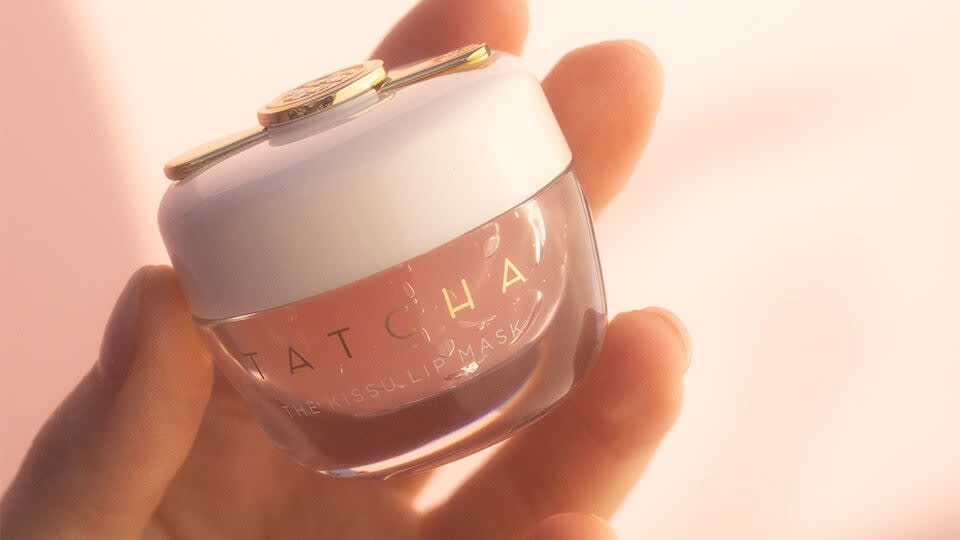
Lip Balm Benefits: Hydration, Protection, and Soft, Smooth Lips
A good lip balm may be your go-to for keeping chapped and dry lips at bay, but there is so much more that the humble beauty product can do. Find the best lip balm and it’ll be one of your beauty kit staples. For makeup artists, lip balm is an essential part of every look they create, be it for a magazine cover or a runway show. And regardless of whether or not they wear makeup, every person uses a lip balm at one time or another. These products are as important as our cleansers and moisturizers—and we’re much likelier to take them on the go with us.The main use of a lip balm is one you’re probably familiar with: to prevent dry, chapped lips. But there are other benefits of lip balm worth considering as you’re picking your next one out. What is lip balm?The most essential element of a lip balm is an emollient substance that is thick, waxy, and able to provide a seal of moisture over delicate lip skin. Lip balms aren’t always balms, and can come in textures from creamy butters to slick jellies, but are always solid and spreadable. (Lip oils, stains, and glosses exist in another category entirely.)Humans have been moisturizing their lips for centuries, probably longer. According to beauty product lore, some of the earliest incidents of lip moisturization took place in ancient Egypt, with a mixture of beeswax and plant oils. But the idea of lip balm as we know it was born just before the turn of the century in Virginia, with a product called “ChapStick.” It wasn’t a stick, but a shallow tin caked with a mixture of oils and waxes—not unlike their Egyptian forebears—and petrolatum.A century and change later, lip balms abound. Advancements in skincare technology, like more sophisticated ingredients, and changes in greater cosmetic culture, like the realization that we should wear sunscreen everyday, have led to all sorts of different formulas, textures, and other ways to moisturize one’s lips. There are enough options out there to guarantee one suited to your preferences, as if tailor made for you. All you have to do is find it.Why do I need a lip balm?A lip balm is likely to be found in a makeup kit, or a medicine cabinet. But they’re commonly found in handbags and pants pockets, too. If you keep your lip balm on you, you know why: Lips get dry fast.The skin on our lips is unique, delicate, and almost constantly in use. Lip skin is as prone to exposure, contact, and general wear and tear as the skin on our palms, but is a fraction of the thickness. It also acts as a barrier between our outer skin and the mucous membrane that lines our mouths. The lips are the threshold of speech, respiration, and nourishment, and they need our help to stay healthy and functional.Another feature of the skin on our lips is the absence of oil glands, which help other parts of skin moisturize themselves. This is the main benefit of lip balm: Applying this moisture directly to the lips, and sealing the area against additional water loss, keeping lip skin hydrated for longer. Dermatologists have long advised balms for chapped lips, but there are other benefits lip balms can provide, too. The benefits of lip balmKnowing how the skin on our lips differs from the skin elsewhere on our body gives some clues as to the benefits of lip balm. Few other places on the body necessitate such specific skincare. Lip balms offer three chief benefits: Protecting, preserving, and priming the skin on the lips.Protecting. By forming a moisture seal, lip balm helps to protect lips from transepidermal water loss—and from becoming chapped. But newer lip balms take this protection to the next level, with ingredients like lip-safe sunscreen and reparative botanical extracts, for additional benefits.Preserving. It's no secret that skin loses moisture as it ages, making regular moisturization crucial for mature skin. The same is true of lips, which are faster to age, owing to their unique structure. Regular applications of lip balm helps lips preserve their vitality, natural color, and shape. Some newer lip balms also carry more sophisticated anti-aging benefits.Priming. Makeup artists always have it on hand for a reason: Lip balm is one of the first steps used to prime lips for the application of lipstick. Not only does it help protect and preserve the skin underneath, but it provides a smooth base for lip color, paving the way for better color payoff and longer wear. Try one of these superpowered lip balmsMaybe you need a lip balm, maybe you already have a lip balm, or maybe you’d be inclined to try a lip balm plus—something that takes the benefits of regular lip balm to the next level. Lip balm plus tint: The Kissu Lip Tint SPF 25 Not all lip tints are lip balms. The best lip tints are lightly-shaded products that also carry the beneficial moisturizing power of a lip balm. The Kissu Lip Tint imparts buildable color to lips and also hydrates them and seals in moisture while protecting from sun damage. The main ingredients include the skin-like silk protein and botanical lanolin, and the tint comes in a wardrobe of wearable shades, from pink to jam to berry. Lip balm plus mask: The Kissu Jelly Lip Mask Just as face masks amplify the benefits of serums and moisturizers, so do lip masks amplify the benefits of lip balm. The Kissu Jelly Lip Mask is an overnight leave-on treatment that supercharges lips with moisture, thanks to a combination of time-tested Japanese botanicals (like juicy peach extract) and natural squalane (one of the most effective emollients used in skincare). Lip balm plus gold: Camellia Gold Spun Lip Balm An actual pot of gold, for your lips. This decadent lip treatment is based in camellia oil, a centuries-old Asian beauty ingredient prized for its superb ability to help seal in moisture. But its most distinctive feature is the addition of 23-karat gold flakes, which shimmer suspended in the pot, but applied to lips simply add a soft glow. Luxurious but versatile, it can be applied in the day or at night to keep lips hydrated, happy, and good as gold.

How to Use a Lip Scrub
While body and facial scrubs are commonplace, lip scrubs are still somewhat obscure. The often – and unjustly – overlooked product definitely deserves a place in your skincare routine though. What is a lip scrub, what does a lip scrub do, and how to use a lip scrub? We dive into all these questions and more below. What Is a Lip Scrub? A lip scrub is an exfoliating formula specifically made to be gentle enough on the delicate lip skin but effective enough to remove dead skin cells. Lips need this extra care because they work overtime. They help us accomplish innumerous tasks, including eating, talking, breathing, and kissing. All that effort means they’re constantly in motion, which can quickly take a toll on your pout. Add to that the fact that the skin on the lips is one of the most delicate on the entire body and you have a recipe for disaster—aka dry, flaky, and dehydrated lips. An instant solution for these flaky lips? A lip scrub. A lip scrub is an exfoliating formula specifically made to be gentle enough on the delicate skin but effective enough to remove dead skin cells. Almost all lip scrubs are composed of two ingredients: an exfoliant and an emollient. The physical exfoliant – which can be made from multiple sources including sugar, coffee grounds, ground fruit seeds, or other natural ingredients – buffs. While the emollient hydrates and softens lips, and the most common emollients are oils (like coconut, avocado, jojoba, and grapeseed) and butters (including shea, coconut, and cocoa). When the two base ingredients are combined, a lip scrub can accomplish several things, from the appearance to the health of the delicate lip area. How To Use a Lip Scrub So you’ve found a lip scrub you love and want to enjoy the beautifying effects of lip exfoliation? While using a scrub is a fairly simple process, there are a few tricks that take it to the next level. Follow this four-step process for how to use a lip scrub and achieve a perfect pout every time. Step One: Wet Lips The friction of an exfoliant on dry lips can be too abrasive. So wet your lips first before applying your scrub to ensure a more gentle experience. While it might feel tempting to get the most intense scrub possible, wetting lips beforehand helps prevent ripping or tearing delicate dry skin. Step Two: Get Scrubbing Apply a generous amount (a pearl-sized is ideal) of your lip scrub and work in small circular motions, softly massaging the product into the skin with a finger. Some products even have an applicator that doubles as a massager to encourage this step. Aim for about 30 seconds of exfoliation for best results, working it into every inch of the lips. Step Three: Rinse Some scrub formulas are so effective that they can be a bit burdensome to remove. To get the scrub quickly off, we recommend removing the product with a damp cloth in short, light strokes. Take care with this step as lips are in a fragile state, so aim for gentleness over quickness when removing a scrub from the skin. Step Four: Moisturize and Protect The skin has just been exfoliated, so lips crave moisture immediately after. Lock hydration in your freshly exfoliated lips by using your favorite lip balm, treatment, or mask. Is it still daytime? Add the additional step of sunscreen protection for the lips, too—an often overlooked yet vital step. The History of Lip Scrubs It’s natural to assume clever beauty products are modern inventions, but lip scrubs’ history goes back centuries. In ancient Japan, intensive treatments with natural ingredients were crafted with care to restore lips to their ideal soft, plump condition. Fast forward to modern Japan, where these beneficial lip care ingredients are still beloved, all in the name of achieving puru-puru lips (which means to jiggle and bounce like jelly). Why Should You Use a Lip Scrub? A lip scrub buffs away flakiness and dryness, plain and simple. However, it can also have multiple other benefits, too, which will become noticeable after you learn how to use a lip scrub appropriately. Helping Other Lip Products Apply Better Just as a facial scrub clears away dead skin cells and debris, thus helping the following products absorb and work more efficiently, a lip scrub works similarly. Using a lip scrub can help your lip treatment, mask, or balm work even deeper and more effectively. Temporarily Plumping A scrub can stimulate blood circulation to the lip area, giving lips a temporary plumped appearance. Plus, this additional blood flow can also give your pout a flushed appearance, temporarily mimicking the look of a lip tint. Smoother Lipstick Application Speaking of lip products, a lip scrub can help you achieve a more even lipstick (or lip tint, etc.) appearance. After all, dry lips can make a lip tint or lipstick appear bumpy, so using a lip scrub before a colored lip product can create a perfect base for better-looking and longer-lasting results. Removing Stubborn Lip Products While all of the above benefits are great before a night on the town, a lip scrub can also be helpful in your evening lip care routine. Stubborn, long-lasting lipstick not budging? A lip scrub can work like a lip makeup remover, especially because it usually contains both an exfoliant and an oil component. It can work its way into every single line, crevice, and corner of lips to remove all obstinate lip products. How Often Should You Use a Lip Scrub? With great power comes great responsibility. You can use a lip scrub as much as needed, but if lips are compromised in any way – whether they are sunburnt, raw from wind or cold exposure, or have open cuts – skip until lips are completely healed. Best Lip Scrub There are many worthy lip scrubs on the market, but we’re especially partial to a brand-new option. Meet The Kissu Lip Scrub, Tatcha’s first foray into lip scrubs. We were inspired by ancient Japanese practices, harnessing the power of timeless natural ingredients to create a simple daily ritual that polishes, plumps, and protects lips. The Kissu Lip Scrub gently scrubs with two exfoliating ingredients: konjac and peach seed. Konjac refines and smooths skin for a brighter appearance, while peach seed removes flakes for more hydrated and refined lips. When it comes to the emollient, we selected one of the most extraordinary and treasured ingredients available, and one that’s a Tatcha signature, too: Japanese camellia oil. The intensely hydrating oil seals in moisture, while also soothing tired lips. Together, The Kissu Lip Scrub effectively sloughs away flakiness and removes dullness while sealing in moisture for smooth, supple lips. The new scrub basically provides puru-puru lips on demand.
What Causes Bumpy Skin? (+ 8 Bumpy Skin Treatments)
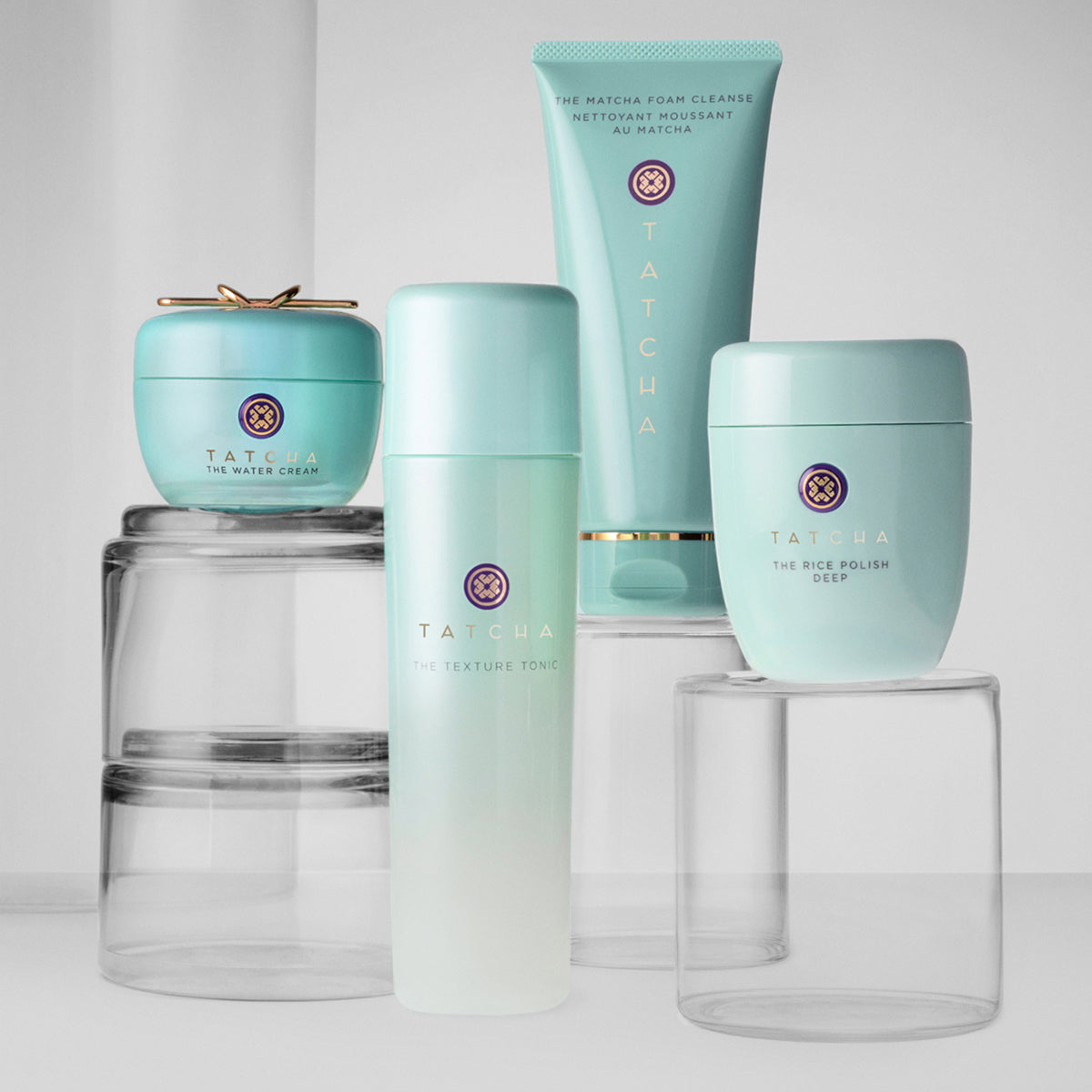
Like any journey, the road to healthy skin contains more than a few bumps. But they shouldn’t stop you in your tracks, especially if you know bumpy skin’s causes and the treatments that can smooth things over. For many people, skincare is something like a journey. We all start somewhere, whether we do it as tweens or at a later stage, and as we learn things as we go along. Finally, we arrive somewhere that is the culmination of the work we’ve put in. And, along the way, bumps are inevitable.Some of these bumps get more attention than they’re worth. In fact, “bumpy skin” and what to do with it is a huge topic of skincare conversation—on message boards, in magazines. Like cracks and scales, dry patches or oily ones, bumps are a natural occurrence in skin. Sometimes they’re simply evidence that your skin is doing its job. At other times, they can be evidence of an imbalance, infection, or other skin ailment.That doesn’t mean bumpy skin is a cause for serious concern. Bumps are nothing your local dermatologist hasn’t seen, and their office should be your first stop if you’re having difficulty diagnosing a particular case of bumpy skin. To add a little background, we’ll look at some common causes of bumpy skin, as well as some potential treatments associated with them. What causes bumpy skin and skin texture changes?Skin is more than just a membrane separating our innards from our outers, but a dense and multilayered fabric that self-sustains using a variety of processes. Bumpy skin is bound to appear at one point or another. Sometimes, these bumps are signs of something else under your skin, but experts say most of the time these are totally natural and not worth the worry. Bumpy skin may be caused by:Build-upSometimes, skin that is congested—with dead skin, excess oil, or any other kind of organic skin material—can become bumpy. Some of these bumps become acne, but not all of them. Choosing the right exfoliant and learning how to exfoliate can ensure that skin remains clean and clear.Weak skin barrierRegular cleansing, moisturizing, and applying SPF is a good way to keep your skin barrier—that sheet of dead skin cells caulked together to make up the outermost layer of skin—intact. Damaged skin barriers can cause bumps on your skin and lead to a host of other complications, from acne to psoriasis to eczema.AgingSkin changes happen—especially to children and infants, and anyone who has gone through puberty—but as you get older, too. As skin matures, it gradually loses some of the structural integrity it once had, leading to texture changes like roughness, sagging, or wrinkling.Infection, inflammation, or otherIn addition to the many benign causes of bumpy skin, some cases of inflamed skin or other infection manifest as a series of bumps. In the next section, we’ll discuss a few types, and what they typically indicate. Common kinds of bumpy skinShould you wake up one day with bumpy skin where there once was none, the second most important thing is not to sweat it. (Especially because stress can exacerbate skin issues.) But the most important thing is to have a dermatologist check it out and give an informed diagnosis. A few common causes behind bumpy skin include: Dry skinHydration and moisturization are both essential to keeping skin healthy—the former makes sure water gets to the skin, and the latter makes sure it stays there. Skin that is dry is kind of like a machine without fuel: Without water, its function breaks down, and it can become flaky, cracked, and bumpy. Dry skin may also be a symptom of another imbalance, but may be responsible for texture changes in and of itself, including acne.Acne Perhaps the most infamous kind of skin bump, acne is defined most simply as a clogged hair follicle. Sometimes these hair follicles can house infections that brew beneath the skin. These can be called pimples, zits, or blemishes. Experts usually distinguish between six kinds of blemishes, which can range from comedones (whiteheads and blackheads) to painful cysts or nodules. Clogged PoresNot all clogged pores become acneic, but they can become bothersome in other ways—like creating bumps along the skin. Bumpy pores could be caused by sebum or dead skin buildup, and can usually be addressed with more attention paid to cleansing or exfoliating your skin. BoilsLike acne, boils occur within hair follicles or sebaceous glands, and can be a sign of an infection. But unlike acne, which is caused by certain types of bacteria, boils are caused by the bacteria associated with staph infections. Boils are also usually larger and more painful than acne, and they can be contagious, so you should see your dermatologist right away.BlistersSome bumps feel like nothing at all, and others are painful to the touch. Some are itchy, and these tend to be known as blisters, which are bumps filled with a clear liquid. These can be caused by any number of causes, from friction to dryness to stress. Blisters are usually harmless. Though it’s tempting to pop, try to fight the urge: An open blister is much more prone to infection than a closed one.Folliculitis When a hair follicle becomes inflamed, it’s referred to as folliculitis, and the hair follicle turns into a red bump. These are often caused by infections, according to the Mayo Clinic, and are commonly associated with improper shaving. Ingrown hairs, in which body hair finds itself trapped under the skin, can be a cause of folliculitis. Keratosis pilarisSometimes, bumpy skin is the result of an excess of something. In the case of keratosis pilaris, it's too much keratin, a structural protein that helps form our skin, says the Cleveland Clinic. Genetics, as well as some comorbidities like obesity, can increase your risk of keratosis pilaris, but it’s typically little more than annoying and unsightly—no infections or inflammation to be found. Bumpy skin treatmentsWhen bumps appear, the best place to take them is a dermatologist, who can help devise a treatment tailored to your diagnosis. Only when you understand the cause behind your bumpy skin can you effectively treat it. In some cases, the solution to bumpy skin is a step in your routine that you’re already performing. It may just be a matter of recommitting to the regimen, or choosing a more effective product for the job. 1. How to treat skin bumps caused by parched, dry skin: More moisture If any part of your routine leaves your skin feeling tight and thoroughly clean, like a dry blackboard, you may be stripping skin of essential moisture, and may also benefit from switching to kinds of products that are gentler on skin. Oil based cleansers, like the Camellia Cleansing Oil, and cream-based face washes, like The Rice Wash, are a great addition to any dry skin skincare routine. Choosing the right moisturizer will aid in hydrating parched skin. Regular masks, which can supercharge skin’s hydration used on a more sparing basis, can be especially helpful for keeping dry skin at bay: The Luminous Deep Hydrating Lifting Mask uses a coconut-derived sheet to pack moisture into skin, boosts skin’s moisture content by up to 200% in about 15 minutes. 2. How to treat skin bumps caused by congested, acne-prone skin: Alpha hydroxy acids To purge skin of the kind of build-up that can lead to acne or other bumps, we rely on physical or chemical exfoliants of all kinds—some are exfoliating scrubs and others are acid-packed exfoliating liquids. In general, they are designed to use only a few times each week, but there’s a relatively new kind that uses new and sophisticated formulation to turn exfoliation into a daily practice: the acid toner. The Texture Tonic is one such product, but unlike others, it benefits from the brand Tatcha’s extensive know-how of botanical ingredients. Its alpha hydroxy acids (AHAs) come from a variety of fruits, while Japanese mugwort and wild rose visibly even skin tone and texture. 3. How to treat skin bumps related to dull, uneven skin: Viva vitamin C Surely you’ve heard of the powerhouse skincare ingredient known as vitamin C, which is recommended to nearly everyone with skin. In addition to improving the appearance of lines, vitamin C skincare products can work wonders for skin texture, and even stimulate the production of collagen. It’s simply amazing. What’s less simple is finding it in the right formulation. Tatcha’s Violet-C collection combines vitamin C with alpha hydroxy acids for maximum brightening and smoothing. There’s The Violet-C Brightening Serum that sits between your cleanser and moisturizer, as well as The Violet-C Radiance Mask that can be used up to a few times a week. Over time, with consistent use, vitamin C can lead to visible improvements in skin. But like any journey, it takes time—and commitment.4. How to treat skin bumps caused by sensitive, inflamed skin: Sensitivity trainingThere are many ways to tell if skin is having a reaction, and yet not all reactions look the same. A common sign is a sudden change of texture, like flaking, or indeed bumps. Bumpy skin related to inflammation is a symptom of common ailments like eczema, but it can also signal an allergy or reaction to the environment. Usually, your first line of defense for this kind of bumpy skin is at a dermatologist’s office. An expert can help you understand the difference between sensitive and sensitized skin, and can put you on the right path toward calming things down.5. How to treat skin bumps caused by ingrown hairs or folliculitis: Cut carefullyWe know it, and we don’t love it: That familiar pattern that appears after a shave done less-than-well. Razor bumps happen when our shaved hairs curl back in on themselves, and are enough to deal with; ingrown hairs and folliculitis describe when these hairs become inflamed. Proper shaving minimizes the chance they’ll happen, and this involves cleansing the area before and after, shaving with the grain, and keeping your razor sanitized. There are also a few tips and tricks to avoiding ingrowns, from using a cleansing oil as a shaving cream to using rice powder as an exfoliant.6. How to treat skin bumps caused by clogged pores: Wash wellBumpy pores happen to all of us. A clog can not only make a pore into a bump, but can also make it appear larger. An exfoliating treatment, like a scrub or mask, can help clear things up when your pores feel clogged. But the best way to treat a clogged pore is to prevent it in the first place, and cleansing your skin daily and consistently ensures that dirt, oil, dead skin, or other debris is rinsed down the drain—and doesn’t end up in a pore.

How to Avoid White Cast From Mineral Sunscreen
Mineral sunscreens are wonderfully beneficial, yet they still carry a few outdated stereotypes—the most prominent being the dreaded white cast. Fortunately, not all mineral sunscreens are created equal. Here's the best no-white-cast option. While we all understand the importance of sunscreen, it’s still underutilized. This is perhaps most likely because some formulas are downright unpleasant: feeling heavy on the skin and leaving behind a sticky, white-cast when applied. But not all sunscreens feel this archaic – some versions, like Japanese sunscreens, are beautifully lightweight, impressively formulated, and include ingredients that can even better skin during the day. We discover the best mineral sunscreen—with no white cast or oily residue in sight. What Is Mineral Sunscreen? There are two types of sunscreen: physical and chemical. What makes a sunscreen chemical or physical is the active ingredient in the formula that provides UV protection. Physical sunscreen, also known as mineral or natural sunscreen, has ingredients that block and scatter the rays (like a shield) before they penetrate your skin, notes the Skin Cancer Foundation. This is different from a chemical sunscreen, which absorbs the UV rays. Mineral formulas often include, as the name implies, minerals as the active ingredient, like titanium dioxide and zinc oxide. Mineral sunscreen also protects your skin from the sun as soon as it’s applied—you do not need to wait for it to take effect like you do with chemical sunscreens. Mineral Sunscreen Benefits The best mineral - or natural sunscreen - has an enthusiastic fan base because of its numerous benefits. According to some, these are the reasons why mineral sunscreen is better than chemical. For Sensitive Skin Chemical sunscreens can be irritating for some users with sensitive skin because of the chemical active ingredients (like avobenzone and octisalate). Additionally, the fact that chemical sunscreens work by absorbing UV rays (like a sponge) can trigger dark spots in those prone to melasma. That said, the Skin Cancer Foundation stresses that both chemical and physical sunscreens have been tested and proven to be safe and effective. It's Effective Immediately Mineral sunscreens begin protecting the skin from the moment of application, while chemical sunscreens need time to be absorbed and become activated (around 15 to 20 minutes) to provide full protection. Why (Some) Mineral Sunscreens Leave a White Cast One general con associated with mineral sunscreen is the white cast that can linger after applying the product. This traditionally comes from the minerals titanium dioxide and zinc oxide, which naturally have an alabaster tone to them. However, this is a problem of yesteryear. Today’s modern mineral sunscreens are wildly advanced, with formulas that are tinted or perfected so any skin color can happily swipe on the SPF without the visible and unappealing white cast. How to Apply Mineral Sunscreen Outdated mineral sunscreen formulas required a lot of maneuvering, having to massage in the white-tinted formula for 30 to 60 seconds to get it to blend into the skin. However, today’s advanced formulas blend in seamlessly and instantly. Ensure that you’re using the full recommended amount of sunscreen though. To get proper coverage, aim to use about a nickel-sized dollop to cover the face and neck—usually the equivalent of two finger lengths of the product (meaning you’ll apply the SPF directly onto the length of two full fingers to achieve the correct amount). Incorporating a broad-spectrum, SPF 30+ mineral sunscreen into your daily skincare ritual is the perfect morning routine, just apply it after your daily moisturizer. If spending any additional time in the sun, reapply sunscreen every two hours. How to Remove Mineral Sunscreen Removing mineral sunscreen can take extra planning because the formulas tend to be more water- and sweat-resistant. This is additionally important for days spent outside when sunscreen is continuously reapplied. The best, gold-standard way to remove mineral sunscreen is the double cleanse method. As we’ve learned previously, the double cleanse involves two products: one oil-based formula that melts stubborn makeup and sunscreen and one cleanser that matches your skin type. This two-step methodology is so effective because the first product cuts through surface-level impurities, while the second formula cleanses and conditions the skin. Do All Mineral Sunscreens Leave a White Cast? No! While many mineral sunscreens do indeed leave a visible white cast on the skin, many updated formulas do not. Cosmetic chemists have worked tirelessly to create SPF iterations that not only protect from UVA and UVB rays, but also blend into all skin tones seamlessly. The trick to finding your perfect undetectable mineral sunscreen is testing out formulas at your local beauty shop—or try one formula that has been tested tirelessly and perfected already… A Mineral Sunscreen That Doesn't Leave a White Cast Reintroducing Tatcha’s newly repackaged mineral sunscreen: The Silk Sunscreen. The SPF 50 sunscreen provides a weightless feel and a sheer, radiant finish with a light-as-air liquid formula. Featuring silk extract, patented mineral filters, niacinamide, hyaluronic acid, and Tatcha’s proprietary Hadasei-3, the Silk Sunscreen blends skin-bettering ingredients with powerful sun protection for an unmatched superior experience. The climate-adaptive formula is sweat-resistant, non-comedogenic (to minimize breakouts), and gentle on sensitive skin. It also instantly hydrates and evens skin tone over time with niacinamide (a form of vitamin B3 that helps visibly firm and even skin tone and redness) and hyaluronic acid (which helps skin retain moisture for a more hydrated, plump appearance). However, the broad-spectrum coverage is perhaps the most impressive aspect of The Silk Sunscreen. The formula features the breakthrough, patented, and trademarked KLEAIR™ zinc oxide, which is over two times more effective at protecting against free radicals than standard zinc oxide.* This means it’s better at protecting against UVA rays, which are shown to cause fine lines and wrinkles and accelerate the loss of skin elasticity. The packaging has received a modernized update, made out of recyclable polypropylene with a flake-free bottle—no second guessing or measuring required. Suncare meets skincare with a light-as-air formula, a radiant, sheer finish, and powerful photoaging protection? The future of mineral sunscreen is here, all you need to do is swipe it on. *KLEAIR™ is under license from Solésence LLC
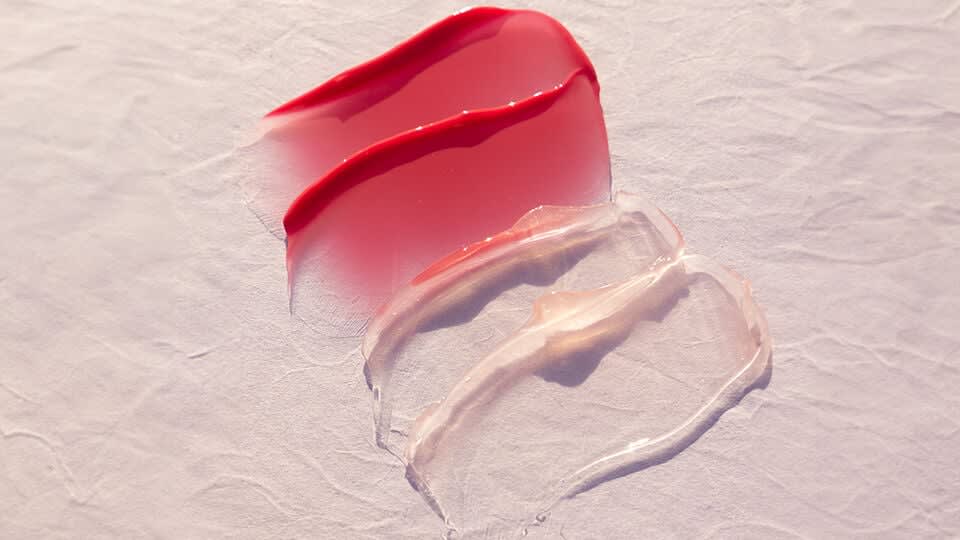
The Best Lip Balms & Moisturizers
Dry lips are a fact of life, thanks to the lips’ uniquely delicate skin. Plenty of remedies promise relief—but when it’s time to choose, which lip balm or moisturizer really works best? It comes often, and is never welcome. You feel it slowly at first—a roughing that proceeds to a hardening. Then, suddenly, what once was soft and vital now feels plastic, peeling, and painful. The discomfort is actually visible on your face: Your lips are chapped.Chapping, or dryness of the lips, happens to everyone. Literally: No matter your skin type, be it oily, dry, or combination, the skin on lips is prone to dry out regularly as a side effect of being a living and breathing human person. For one, the skin on your lips doesn’t behave the same as the rest of the face: it is structurally different. But even more crucially, there are few other parts of skin that see so much day to day action, from speech to sustenance. In other words, many things cross the threshold of our lips. Why wouldn’t you give them special care?Fortunately, there are remedies that both repair and prevent terrible lip dryness: The lip balm. They are easy to use, and widely accessible—to the extent that it may require some guidance to find the best one. What Is Lip Balm?If the great cosmetic inventions of our time were to be collected in a museum, lip balms would have their own wing—so important are they to skincare. This is only a little bit of an overstatement. Lip balm is, according to dermatologists, one of the main necessary steps in a skincare routine. Lip care is especially in the winter season for reasons we’ll discuss below. But they are one of the few beauty products that are found in the bags, pockets, and makeup kits of most of us, even those who profess to not care about beauty at all.According to internet historians, ancient peoples kept their lips moisturized using a variety of different substances, some cruder than others. In the Middle East, there was livestock fat. In the Mediterranean, there was olive oil. Some women in ancient Japan used an extract of peach kernel to keep their lips soft.But the contemporary lip balm, defined as a mixture of waxes and other emollients that moisturize lips, is a bit younger, and was invented just before the turn of the century. As the story goes, an inventor named Charles Browne Fleet mixed up camphor, petrolatum, wax, and other ingredients, distilled it into a tin, and called it “ChapStick.” He sold the formula to his friend, whose wife suggested the tube shape that endures in the lip balm category today.Though many lip balms come in tubes, you can also find them in tins—and jars, pots, and even tiny compacts. You can also find them cast with different colors, or formulated with different ingredients. A lip balm is simply an emollient that prevents lip dryness. And though you may notice commonalities between balms, there’s just as much variety. Finding the best lip balm for chapped lips takes a little help. Do I Need Lip Balm?Dermatologists say: You should use lip balm.Of course, they also recommend a daily skincare routine, in which the skin on your face is properly cleaned and moisturized. It makes sense that they’d also recommend applying that moisture to your lips. But their advice is more emphatic when you consider the differences between the skin on your face and the skin on your lips.Cutaneously speaking, the lips provide the border between the outer stratum corneum layer of skin and the inner mucous membrane that lines our mouths. Compared to the skin on your cheek, the skin on your lips is much thinner. It’s also absent of oil glands that allow other parts of the skin to self-moisturize. The moisturization has to come from somewhere else.One thing that unites all skin on the body, including that of the lips: It ages naturally. Proper lip skincare, including moisturizing the lips and protecting them with SPF and reparative skincare ingredients can help delay the formation of wrinkles and folds, as well as keep dryness at bay. Lip Balm vs. Lip MoisturizerThe terms “lip balm” and “lip moisturizer” both describe products used to moisturize the lips, and are sometimes used interchangeably. If a lip balm moisturizes lips, isn’t it a lip moisturizer? The answer is yes, but it’s important to understand how the terms refer to different things.Like the famous one invented by Charles Fleet, lip balms are generally thick, emollient formulas that get much of their texture from waxy substances like petroleum jelly. When applied to skin, they form an occlusive barrier that helps trap moisture in lips—in other words, it moisturizes them.All lip balms are lip moisturizers. But not all lip moisturizers are balms. Lips can be moisturized by creams, oils, and jellies. They can even be moisturized by animal fat. This much wider category of lip skin care provides different textures to play with. Thicker balms tend to be more popular because their high efficacy reduces the need for reapplications. But if you’re looking for the best lip moisturizer, and not preferential to a balm, you may be curious about these other forms of lip care. Types of Lip BalmsBelow are a few varieties of lip balm that you’re likely to encounter at the beauty aisle. All of these can be described as lip balms (and thus lip moisturizers), but exactly how they work—and when they’re applied—may depend on what particular shape they take.Petroleum Jelly-BasedA topical byproduct of petroleum refining, petroleum jelly has been a staple of the American moisturizer diet since the Industrial Revolution. This colorless, slippery, highly emollient gel makes for a very popular lip balm, but is also applied to other areas where skin dryness is common, like elbows and knees.Overnight Lip MasksTo compare lip balms vs. lip masks, a lip balm is waxy and meant to seal in lip moisture, while a lip mask is something like a souped-up moisturizer. Instead of letting it sink into the skin, the point of a lip mask is to let it sit on top, which is why they’re often recommended to be worn as you sleep. If you’re particularly prone to dryness, a light layer can also be worn in the daytime, too. Tinted Lip BalmsAs the name explains, these lip balms apply a subtle tint to lips—usually one that is less intense than can be provided from a makeup product like a lipstick or lip stain. For natural makeup lovers, the best tinted lip balms offer the perfect low maintenance skincare-makeup combination.The Best Lip Balms & MoisturizersIn 2018, the skincare brand Tatcha launched its Kissu lip line with a juicy jelly mask. Recently, it expanded to comprise a curated collection of lip care essentials for both daywear and night repair. Time-honored Japanese ingredients meet contemporary skincare technology; together they also happen to make some of the very best Japanese lip balms and moisturizers. For Day: Lip Balm With SPF Does your lip balm have sun protection? Among its other recommendations, the Skin Cancer Foundation advises applying a lip sunscreen with an SPF of at least 15 before heading out into the day. Tatcha’s brand-new Kissu Lip Tint SPF 25 makes this a lovely ritual — and also makes reapplications easy; its botanical moisturizers, silk and lanolin, help the stick to glide on, dressing lips in one of three buildable shades. For Night: A Healing Lip Mask The best-selling Kissu Lip Mask distills the timeless lip-healing power of Japanese peach extract into a round pot of gloss. Alongside peach, the mask is also made with squalane, a common and high-performing natural hydrator, and camellia oil, a lightweight, vitamin-rich skin-sealant; together, they harmonize into maximum moisture. The best lip mask should be easy to apply and provide overnight results. As one beauty editor noted, the Kissu Lip Mask puts in the work: “It glided along my lips without feeling sticky, tacky, or too oily and left behind a shine on par with a lip gloss. When I woke up the next morning, my lips felt soft and pillowy.” And it lasted, too.
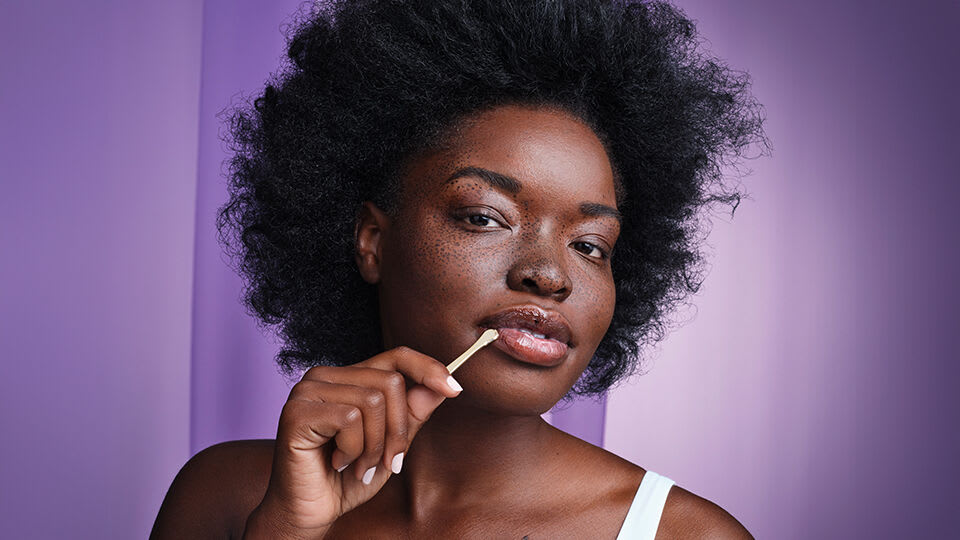
The Best Lip Mask & How to Use It
The skin on our lips is unique—and highly sensitive—which is why you might want to consider adding a lip mask to your skincare lineup. Here’s how to find the best lip mask for hydrating dry lips, and learn how to use it, too. Did you know that red lipstick is about as old as human civilization? According to historians, it was the ancient Sumerians, who lived more than 5000 years ago, who initially crushed red rocks into a lip tint. In light of this fact, it’s easy to see how the mouth—particularly, the lips that surround it—has become one particular locus of our beauty attention for as long as we’ve attended to beauty.Of course, we’ve come a long way in the intervening five millennia or so. The options for tinting one’s lips could span into an infinitesimal assortment of shades far outside the geological palette—from reds to pinks to blues to prismatic glosses. We shade our lips, we line them, we shellac them, and we have fun doing it.Skincare has caught up, too. Indeed, while the ancient Sumerians probably had techniques for lotioning their skin, and protecting it from the sun, today’s skincare offerings promise to specifically target unique areas of skin on the body. This is why we have different moisturizers for our bodies than for our faces. But have you ever considered a lip care routine with special skincare for your lips? This highly sensitive, special area of exposed skin on the body has long been a focus of makeup. But why not skincare, too? What is a lip mask?Beauty lovers are doubtless familiar with face masks, which take potent skincare formulas and dole them out into more than effective formulas. Because of their potency, these products are likely to be used only a few times a week, as opposed to in your daily skincare routine.Many of these masks offer additional hydration to areas of the skin. Unlike a typical hydrator or moisturizer, a mask is intended to be left on the skin for a short period of time. Sometimes, these are also applied to sheets that trap, in the manner of a greenhouse, the ingredients between the mask and the skin, to amplify its effectiveness. In occlusive creams, these can provide a seal of moisture that allow the product to sink into skin beneath. Some masks are made for daily use, but most often they are employed once or a few times per week as a helping hand to the rest of your skincare attentions.While most of us are familiar with the need to moisturize our lips—and this is why a lip balm may be the first beauty product many of us ever use—this skincare step often feels insufficient, or at least it requires multiple applications. By contrast, the best lip mask can be used to supercharge lips with moisture—keeping them healthy, hydrated, and comfortable for longer periods of time. Do my lips need a mask?It is hard to think of a part of the skin that sees more action from day to day than the skin on our lips.The skin on our lips is unlike the skin anywhere else on our body. In contrast to the 16 or so layers that comprise the skin on our face, the vermillion of our lips—the part of your lips that are naturally tinted—are between three to five cellular layers, making them exceptionally thin. Our lips are free of the hair follicles and oil glands that appear elsewhere on skin. Crucially, they also provide a boundary between the skin on the outside of the body and the mucous membrane that lines our innards, from our mouths on down.Think about what the lips accomplish in a day. For many, spoken language and consumable sustenance cross this threshold multiple times a day. Unlike our delicate mucous membranes, the skin on our lips is also exposed to the elements, and susceptible to sun damage or other environmental stresses. Common allergic reactions, inflammatory responses, or even stress can also contribute to lip dryness, or chapping.Keeping our lips hydrated, and using moisturizer on them regularly, is the official advice from the American Academy of Dermatology Association on how to keep them healthy. For very dry lips, a “thick ointment,” like petroleum jelly can help seal moisture in. A bit of trend marketing has rebranded applying petroleum jelly as something called slugging, but this is really an act of masking: Leaving a concentrated product on for a short duration up to a few times a week. While lips may not need a mask, mask treatments have shown to help stay skin moisturized for longer. (And applying them infrequently is easier than carrying a lip balm on you at all times!)What are the benefits of a lip mask?Our lips need hydration and moisturization, two things which masks excel at. But how, exactly, do they do that? The best lip masks provide many benefits; here are a few things they can do.Hydrate and moisturize delicate lips. The long lasting effects (and often more potent ingredients) that masks employ are specially suited to care for the lip area. Due to lips’ unique properties, notably a lack of oil glands that help other parts of skin self-moisturize, it’s necessary to reapply hydrators and moisturizers, and masks allow you to go longer between applications.Repair environmental damage. Like the skin on our cheeks, arms, or feet, our lips are also susceptible to stress induced by the environment around us—some pollutants can cause oxidative stress, for example, and of course ultraviolet radiation from sun exposure can accelerate aging. Thickly applied masks not only help trap moisture that skin needs to keep itself healthy (and naturally repair itself against stress), but they can also have a protective quality, too.Prime and prep for makeup. Few things help to prepare skin to apply makeup than a base of good skincare. While makeup primers can help pigments adhere to the skin on your face, they’re unlikely to work on dry skin. And when it comes to lips, which can easily chap and flake, the moisturizing power of a lip mask makes for a perfect primer. (They also turn the quotidian act of applying lipstick into a slightly more decadent affair.) The best lip mask & how to use itThe best kind of lip mask is one that you like enough to use frequently, but that also feels something like a treat—it is, after all, more of a treatment than a daily skincare product. This is why the world’s most beloved lip masks feel like something of an indulgence. Unlike other indulgences, this one is pretty good for you. Tatcha’s Kissu Lip Mask is a best-seller for a reason: It distills Japanese skin superplants into a dense, gel texture that restores lushness to lips. One of the main ingredients, Japanese peach extract, is a traditional Japanese beauty secret used centuries ago to help repair damaged lips—and delivers a slight peachy kiss. Camellia oil, rich in oleic acid, vitamins, and nourishing Omegas 3, 6, and 9, makes a superb moisturizer. A pearl-sized amount can be applied to lips whenever necessary—a few times a week, or anytime in a pinch. It’s your nighttime BFF: Go to bed, and wake up with a more perfect pout.