








T-House


The Best Sunscreen for Mature & Aging Skin
Here’s how to build a necessary sun protection routine with tips, techniques, and recommendations specifically tailored toward mature and aging skin. Sunscreen is essential for every (and any) person’s skin, so it tracks that there are SPFs for just about any (and every) person’s skin type. There are lightweight sunscreens formulated for oilier faces; creamy sunscreens made just for dry skin; others that are just for hands. That’s a good thing, because it makes sun protection accessible to everybody who needs it, which is, again, everybody.For mature or aging skin in particular, which has needs that are unique from other skin types, choosing a sunscreen might not be as simple as plucking one off of the shelf. All skin types age, and at a certain point, features of mature skin begin to make themselves visible. It’s one of the great beauties of living—they are badges of life. Nevertheless, just like oily skin benefits from a little salicylic acid, or dry skin enjoys extra ceramides, mature skin has its own needs and treatments.In other words, some sunscreens are better than others for mature skin. Here is a bit of information about that, including the needs of mature skin and the best sunscreen for aging skin. What is mature skin?Every skin type ages, and every face is maturer than it was a minute earlier. Usually, skin is considered mature when the signs of aging become more visible. Dermatologists agree this usually begins in a person’s 40s, though it can also begin in one’s late 30s, as their skin’s rate of cell turnover declines.As time naturally wears on, skin naturally wears down. Collagen and elastin fibers in the matrix of the skin become less densely crowded, causing wrinkles and a loss of firmness. This kind of aging is sometimes called intrinsic aging, and it's accompanied by extrinsic aging, which is caused by external factors like pollutants or sun damage. The easiest way to check if you have mature skin is to consider your chronological age, and it’s never a bad idea to visit your dermatologist to talk about how your skin is actually aging. Then you can figure out what specific needs it may have. What are the needs of mature skin?The basic needs of mature skin are the same as any skin type. But as skin ages, a few become more pressing than others.Sun protection. According to the Cleveland Clinic, overexposure to light is a top cause of skin aging. This is sometimes caused by HEV, or blue light from devices like smartphones, but ultraviolet light from the sun causes an estimated 90% of visual aging. UV radiation can damage the DNA within our cells, and while our bodies can repair some of that damage, it can’t repair it all. The onus is on us to exercise proper sun protection.Moisture and hydration. Dryness is particularly common among older adults, according to an article in Aging Well. That’s because as we age, and particularly as we go through menopause, we gradually lose important built-in moisturizers like hyaluronic acid that bind water to the skin, and other systems, like our sebaceous glands, begin to produce less sebum over time. Even those for whom dryness was never a skin issue may start to see their skin drying out more easily as they age—in the winter, or after a hot bath.Tone and texture. Other calling cards of aging skin include changes in tone—due to hyperpigmentation, or increased redness—and texture—due to dryness or fine lines. Topical ingredients like retinol and niacinamide can help manage these changes, depending on what you’re hoping to treat. Some sunscreens are made with ingredients that provide benefits to the look and feel of your skin. And speaking of those… Does mature skin need sunscreen?It’s a fact as true as the sun rising in the East: Yes, mature skin needs sunscreen. Regardless of your skin type, everybody should wear sunscreen.Ultraviolet damage from sun overexposure is the leading cause of skin cancer, the most common cancer in the United States. 1 in 5 Americans will develop skin cancer in their lifetime, according to the Skin Cancer Foundation and the American Academy of Dermatology. Skin cancer is not the only risk of sun overexposure, but it might be the most urgent one.Adding to that urgency is the fact that most cases of skin cancer are found in people older than 65, according to 2018 statistics from the Centers for Disease Control and Prevention. You could say that mature skin needs sun protection the most of all skin types, though it might be a moot point: No matter your skin type, sun protection is necessary.Most dermatologists will agree that you should get your skin checked by a professional every three years. The American Academy of Dermatology also advises asking your doctor how you can perform a skin check on your own. Vigilance pays off. The Skin Cancer Foundation estimates a 94% five year survival rate for melanomas that are caught, and a 99% rate for melanomas that are caught early. What is the best sunscreen for mature skin?Tatcha makes two broad-spectrum SPF formulas, and each one is boosted with skincare ingredients that will benefit any skin type, including mature skin. The Silken Pore Perfecting Sunscreen is a weightless sunscreen with SPF 35 coverage that blends effortlessly and invisibly for matte skin and refined pores. It’s also fortified with antioxidants, which skin cells need to protect themselves from oxidative stress caused by pollution. Then there’s the super hydrating Silk Sunscreen, which blends niacinamide, hyaluronic acid, and SPF 50 into a sheer veil of protection. What are some other ways to protect mature skin from the sun? A good sunscreen should be a part of your aging skin routine, but it shouldn’t be the only part of your aging skin routine. Here are some other ways to ensure your skin is protected from sun overexposure.Protective clothing and accessories. Gloves of all lengths, hats of all brims, and now clothing of all shapes and sizes—there are entire wardrobes made with UPF, or ultraviolet protection factor, fabrics. (And accessories, too!) In countries like Japan, where sun protection is tantamount to the idea of beauty itself, women continue to use parasols to physically shield themselves from the sun. The Skin Cancer Foundation recommends UPF fabric as the simplest form of sun protection. (For one thing, unlike sunscreen, it doesn’t require regular reapplication.)Choose your exposure. If you can stay inside between the hours of 10 AM and 4 PM, you might want to: That’s when the sun’s rays are at their strongest. Additionally, pay attention to your area’s UV index. In the United States, the National Weather Service’s Oceanic and Atmospheric Administration forecasts the potential for UV damage to humans with a calculation known as the UV index and publishes those forecasts every day. You can find today’s here.At-home skincare. While we do our best to avoid sun damage, it happens to all of us—we live under the sun, after all. Consider incorporating soothing skincare into your routine by looking at ingredients that have demonstrated anti-inflammatory benefits, like chamomile, aloe vera, or indigo. A treatment like the Indigo Overnight Repair not only helps skin retain precious water, but also calms visible irritation. And just as it’s important to apply sunscreen, it’s important to take it off—along with makeup, and whatever else your skin has accumulated throughout the day. A gentle all-in-one cleanser like the Indigo Cleansing Balm starts your routine off on a clean, soothed slate. Stay in the shade. Here’s a skincare tip that will cost you nothing: Sticking to the shade whenever you can. Be it beneath an umbrella on the beach or the tree-lined side of the street. Your skin will thank you in the long run.

The Best Sunscreen for Oily Skin
Sunscreen is a necessity, but finding an option that is right for oily complexions is a difficult task. We uncover the best ingredients and products that are best for oily and acne-prone skin. The benefits of daily sunscreen usage are indisputable. It protects not only from premature aging (like from hyperpigmentation to wrinkles) but also—and most importantly—protects against skin cancer. But discovering the best sunscreen for oily skin can be a difficult task. Not only because SPF’s reputation is that it's oil-enhancing, but also because certain formulas contain pore-clogging ingredients. But not all sunscreens are created the same, there are many SPFs formulated with oily skin in mind. Keep reading for the best ingredients, tips, and sunscreens for oily (and acne-prone) skin.What to Look For In a Sunscreen For Oily SkinBroad SpectrumThe absolute most important classification your SPF needs is the phrase broad spectrum. According to the FDA, the term broad-spectrum sunscreen means a product that can protect from the sun’s harmful ultraviolet A (UVA) and ultraviolet B (UVB) rays. For a sunscreen to receive the broad-spectrum label means it is FDA-tested and -approved. The American Academy of Dermatology recommends only using broad-spectrum sunscreen, as it protects skin more thoroughly, from both UVA (which ages skin) and UVB (the rays responsible for burning) rays.SPF 30+SPF, which means sun protection factor, identifies how well sunscreen can protect from a sunburn. The AAD recommends a sunscreen have an SPF of 30 or higher.Zinc OxideA common active ingredient in sunscreens, zinc oxide is ideal for oily skin. It’s both antimicrobial and non-comedogenic, which makes it wonderful for acne-prone and oily skin, but also sensitive skin, too, helping to soothe irritation. Zinc oxide is an ingredient used in mineral (and mineral/chemical) formulas, which work by creating a physical barrier on the surface, preventing the sun’s rays from penetrating the skin.TextureLook for a sunscreen that promotes its lightweight texture or mattifying capabilities, both of which are wonderful for giving skin a blurred look and matte finish.Non-ComedogenicEnsure that your SPF proudly states it’s non-comedogenic, which means it won’t clog pores. This is necessary for oily and acne-prone skin because it will help reduce the chance of the sunscreen causing blemishes and excessive oiliness.Best Sunscreen For Oily SkinThere are a bounty of SPF options, but only a few that are the best sunscreens for oily skin. At Tatcha, we have perfected two formulas that are broad-spectrum, non-comedogenic, and include zinc oxide—making them perfect for oily skin. Here are their benefits and helpful ingredients. The Silk Sunscreen Looking for a silky, lightweight, invisible sunscreen with 50+ mineral coverage? This formula protects with 10 percent zinc oxide for a mineral, reef-safe filter. Not only does the Silk Sunscreen feel impossibly light (ideal for oily skin), but the formula also soothes skin—ideal for all skin, but especially those with sensitivity. Silken Pore Perfecting SPF 35 Sunscreen If you prefer a creamy sunscreen with both mineral and chemical protection, try this bestselling option. The non-comedogenic and non-irritating formula features skin-loving ingredients that not only protect the skin, but also help improve the appearance of pores, smooth skin texture, and calm irritation—making it one of the best sunscreens for oily and acne-prone skin. The Silken Pore Perfecting SPF also features our beloved silk extract for a silky feel, allowing the sunscreen to apply flawlessly.

The Beauty & Benefits of a Japanese Skincare Routine
While starting a new skincare regimen can be intimidating, the beauty of a Japanese skincare routine is not only its effectiveness but also its simplicity. Many daily routines in Japan are enveloped in mindfulness, elevating an everyday action into something performed with precision, care, and the ultimate desire to treasure the moment and oneself. And classical Japanese skincare routines are evidence of that mindful belief, steeped in meditative moments attending to your skin and yourself, every single day. Beyond the fresh perspective, what makes a Japanese skincare routine so beneficial is its simplicity (and effectiveness). Keep reading to discover the benefits of a Japanese routine for your skin and how to recreate one for yourself using the best Japanese skincare products available today. What Is a Japanese Skincare Routine? The beauty of a classical Japanese skincare routine, one suitable for women of every age, lies in its clarity, accomplished in just four simple steps: purify, polish, plump, and nourish. Less is more in this routine, with an emphasis on consistency, efficacy, ingredients, and thoughtful application, essentially making your skincare routine a mindfulness practice. The Japanese skincare routine isn’t about overnight transformations or aggressive treatments, but rather putting the ‘care’ back into skincare, which can be accomplished with just these four steps, twice a day. The Four Steps: Purify, Polish, Plump, and Nourish Purify While cleansers may be an afterthought in Western culture, cleansing is seen as key to healthy skin in Japan. This vital step is not just rushing through the purification process, but actually taking the time to choose the right facial cleanser and carefully and thoroughly cleanse for healthier skin. The trick to transforming the mundane cleanse into a mindfulness ritual is to embrace the Japanese concept of kiyome, which translates to purification. This belief can act as not only a physical cleanse, but also an emotional one, allowing the cleansing process to be an act of letting go. Polish While exfoliation may seem like a modern technique, the geisha skincare routine has been using komenuka, also known as Japanese rice bran, to polish the skin for centuries. This is a crucial step in the Japanese skincare routine because it removes dead skin cells and impurities, while also helping the rest of your products achieve their maximum potential. Rice powders have stood the test of time because they can be used every day without stripping, irritating, or pulling at the skin. Plump A classic Japanese skincare ritual has long featured these essences, or “beauty waters”, prized for their ability to soften and brighten the complexion. While they might seem like an unnecessary step in the Japanese skincare routine, the potent liquid can resurface, soften, plump, and boost the effects of skincare in a single application. A water-light essence floods skin with hydration and amplifies the performance of any treatment by channeling it into the skin. Nourish Nourishment through your chosen moisturizer or hydrating face cream is always beneficial to your complexion, whether your skin tends to be more dry or oily. After plumping skin with an essence, apply a moisturizer to form a protective barrier over your skin. Follow our founder Vicky Tsai’s lead: “When I nourish my skin in the morning and at night, I close my eyes and massage my face. It’s a treasured moment of self-care that I never rush through.” How to Do Each Step at Home At Tatcha, we aim to bridge the gap between timeless beliefs and modern ingredients. And that combination is abundantly present in our straightforward Japanese skincare routine. Here’s how to take inspiration from these classic Japanese rituals and implement them into your routine at home. How to Purify In Japan, it’s customary to cleanse the face twice a day. However, if just using a cleansing oil, you can skip this step in the morning (since a cleansing oil’s primary function is to remove makeup and sunscreen), if you’d like. While purifying skin, take a page out of founder Vicky Tsai’s book, Pure Skin, by visualizing distractions, negative thoughts, and self-doubt melting away as you cleanse. Try: Inspired by geishas, who cleanse away their makeup with camellia oil, Tatcha created The Camellia Cleansing Oil, which simply features camellia oil and our proprietary Hadasei-3. Camellia oil is particularly beneficial for skin, as it’s rich in oleic acid and vitamins A, B, D, and E—making it incredibly nourishing and healing when massaged into the skin. If sensitivity is top of mind, consider cleansing with our newest innovation instead: The Indigo Cleansing Balm. This skin-strengthening formula instantly calms redness and irritation, while also supporting and transforming the barrier—but it still effectively cleanses, removing even waterproof makeup. Unlike harsh cleansers though, the Indigo Cleansing Balm also soothes and replenishes moisture—strengthening the skin barrier so it can prevent future damage for smooth, plump, and radiant-looking skin. In clinical studies, 100 percent of participants demonstrated an improvement in barrier function after just one week of use.* How to Polish Exfoliating or polishing should be the first step of your ritual in the morning (if you choose not to cleanse) and the second step, after purifying skin, in the evening. To polish, wet your palms and splash a handful of warm water onto your face. Pour approximately half a teaspoon of powder into one hand and gently rub your palms together to create a creamy, luxuriant foam. Massage gently with your fingertips onto your face in circular motions for 10 to 20 seconds, avoiding your eyes. Rinse well and pat your skin dry with a soft face cloth. Tsai suggests thinking of the meditative mantra, “begin again” as you gently massage the creamy rice bran foam into the skin. If you purify with oil and polish with an enzyme powder, you’re already utilizing a two-step protocol favored by geishas centuries ago and now throughout modern Japan. The Kyoto Cleanse—also known as the Double Cleanse—is the method that not only removes surface debris, sunscreen, and makeup, but also unclogs pores and preps skin for hydration. Try: Inspired by geishas and the Kyoto Cleanse, Tatcha created The Rice Polish, a simple, yet game-changing exfoliant. Finely ground rice bran and papaya enzymes promote natural skin turnover, while the amino acid-base formula provides effective cleansing without stripping skin of essential moisture or breaking the skin’s barrier function. To bring the powder to life, simply add a few drops of water and watch as it transforms into a creamy, cloud-like foam. For an additional level of customization, consider the other Rice Polish formulas, from Calming to Gentle to Deep, which allow you to select the option best for you. How to Plump To achieve the benefits an essence promises, utilize the liquid twice a day—but the order or usage is important. Pat the essence into the skin after polishing and before serums, moisturizers, or oils. The most important job of the essence and its primary function is to make the skin ready for whatever treatment that follows. To utilize, pour a palmful of essence into your hand, press palms together, and then gently press it into the skin. Try: The Essence, an uncomplicated, yet transformative, formula that is 100 percent Hadasei-3, a proprietary fermented complex of the very superfoods core to the Japanese diet: rice, algae, and green tea. This potent formula boosts the effects of skincare, resurfaces, and hydrates for primed, plump, petal-soft skin at any age. In studies, panelists demonstrated a 621+ percent improvement in skin moisturization immediately** and 100 percent of panelists demonstrated an improvement in skin glow and radiance after just one week of use.*** How to Nourish Nourishment is always beneficial to your complexion, no matter your skin type. After plumping skin with an essence, apply moisturizer to form a protective barrier for your skin. Moisturize like Tsai does, taking a moment to close your eyes and massage the nourishing hydration into the skin, mindfully treasuring the moment of self-care. Try: At Tatcha, we’re spoiled for choice when it comes to nutrient-rich moisturizers. As luxurious as they are effective, each unique face moisturizer delivers the optimal level of moisture for any skin type, helping you achieve your healthiest-looking complexion yet. Consider The Silk Cream, a rich yet weightless gel-cream moisturizer enriched with silk extract for softer, smoother, and firmer-looking skin. Or grab the award-winning Water Cream, which balances the skin, decongest pores, and minimizes excess oil production. For dry skin, try The Dewy Skin Cream, which plumps, hydrates, and strengthens the skin. For a more rich cream, grab the Ageless Enriching Renewal Cream for an intensely hydrating and nourishing treatment. Sensitive skin? Slather on the innovative Indigo Overnight Repair Serum, which visibly calms irritation, strengthens the skin’s barrier, and balances the microbiome overnight. Or not sure which formula is right for you? Consider Tatcha’s newly updated formula, The Indigo Calming Cream. This rich, fragrance-free moisturizer delivers therapeutic soothing relief from redness and itchiness with long-lasting hydration. 100 percent of panelists in a clinical study**** saw an improvement in softness and suppleness immediately, an improvement in the appearance of the skin barrier after one week, and an improvement in visible redness and evenness of skin tone after two weeks.***** Tailoring the Ritual to Your Skin You can tailor the basic ritual with enhancements based on your skin’s needs, which can change from time to time. Here are a few additional enhancements to consider, based on your skin’s needs. Dullness/Dark Spots: Brighten skin and add radiance with a vitamin C serum, like the Violet-C Brightening Serum. Excessive Oil: Blotting papers are a simple way to instantly lift away excess oil gently without stealing moisture from the skin. Fine Lines: Smooth the look of fine lines and wrinkles with a retinol-like serum. Consider The Silk Serum, which visibly firms and smooths skin. Dehydration: Plump and seal in moisture with The Dewy Serum, a radiance- and hydration-enhancing booster. Irritation: Visibly calm redness and irritation as you sleep with the Indigo Overnight Repair, a powerful serum-in-a-cream treatment. Protect Skin: No matter your skin type or needs, use sunscreen every single day. Try the Silken Sunscreen SPF 35 for a matte finish or The Silk Sunscreen SPF 50 for a sheer, moisturizing finish. Japanese Skincare Routine Steps, Morning & Night We’ve discovered the beauty of a Japanese skincare routine and how to implement the basics into your daily routine, but when do you use which products during your morning and night ritual? Allow us to break down the Japanese skincare steps into a quick, helpful guide. Your Morning Ritual Your morning routine is a beautiful time to set your intentions for the day. It’s also the perfect moment to prep, hydrate, and protect skin for the day ahead. Follow these Japanese skincare routine steps for glowing, youthful-looking skin in minutes. Step One: Purify (or Polish) For those with sensitive or dry skin, a splash of water may be just what the skin needs. However, almost everyone can benefit from a refreshing morning cleanse to wash off the sweat, skincare, and sleep from the night before. For sensitive (or sensitized) skin, try the The Indigo Cleansing Balm, a miraculous cleanser that actually strengthens skin while cleansing. Individuals with oily or acne prone skin will adore The Matcha Cleanse, a multipurpose gel cleanser that decongests pores and controls oil for smooth, primed skin. You can’t go wrong with The Rice Wash, a creamy cleanser that softly washes away impurities—ideal for all skin types, especially dry and combination skin. On the other hand, some prefer to start the day with a brightening face polish, which can instantly impart a radiant glow and smoother skin. As mentioned before, the beauty of Tatcha’s Rice Polishes is the customization to your specific skin type (or how skin feels that day) via the classic Rice Polish, Calming, Gentle, or Deep options. Step Two: Plump Perhaps your skin is rather predictable or the opposite is true and yesterday’s dryness is today’s combination or oily skin—either way, assess how skin is feeling after using your Essence. Massage in your moisturizer of choice (whether that be the gel-cream moisturizer Silk Cream, the balancing Water Cream, the plumping Dewy Skin Cream, the intensely hydrating Ageless Enriching Renewal Cream, or therapeutically soothing Indigo Calming Cream. Step Four: Protect No matter the weather outside—even rainy, snowy, or cloudy—daily sunscreen is non-negotiable. UVA and UVB rays are reaching your skin even if it’s not bright and sunny, so be prepared to protect skin with a broad spectrum, 30+ protection sunscreen. The Silken Sunscreen SPF 35 provides a matte finish and combination and oily skin will especially love it, while The Silk Sunscreen SPF 50 is a lightweight sheer finish with a hydrating feel, ideal for dry, sensitive, and combination skin. Your Evening Ritual One of life’s simplest pleasures is decompressing after a long day. Start the evening’s journey of rest by properly nourishing your skin with this evening Japanese skincare regimen. Step One: Purify Arguably the most important thing you can do for your skin has nothing to do with what you apply on it, but rather what you take off—meaning how well you cleanse your skin at the end of the day. There is no greater method of purifying your skin than the double cleanse (aka the Kyoto Cleanse), as discussed above. The first step is using a cleansing oil, like The Camellia Cleansing Oil, and then following up with a cleanser or foaming Rice Polish for a purification process that removes every speck of debris, sunscreen, and makeup. Step Two: Polish Did you use an exfoliant as part of your double cleanse? You’ve combined the purify and polish process into a streamlined process and are ready for the next step in the traditional Japanese skincare routine: plumping the face. However, if you used a face wash after the cleansing oil, you might enjoy using a face polish for a brighter, smoother face almost immediately. We should note that if you prefer utilizing your face polish in the a.m., not all skin types need twice-a-day exfoliation. Safely test out different regimes to discover your ideal Japanese skincare routine—and ensure you aren’t over exfoliating along the way, too. Step Three: Plump Flood the skin with the nourishing Essence to hydrate and prepare the skin for the next steps in your evening Japanese skincare regimen. Evening is a beautiful time for the skin to repair itself while you sleep, so take advantage of this natural process by using a serum to target your skin desires, whether that be brightening, addressing fine lines, or a healthy dose of moisture. Step Four: Nourish A moisturizer is vital in helping support healthy skin. This is true no matter the time of day, but especially important come evening when it aids in the skin’s repair process while you sleep. Slather on your ideal moisturizer (which can change daily, depending on how skin feels or the weather outside) and allow the skin to soak up the nourishment. You can also take things to the next level by massaging in an overnight treatment, like the revolutionary Indigo Overnight Repair Serum, which visibly calms irritation, strengthens the skin’s barrier, and balances the microbiome overnight. Or if you simply seek added hydration (especially helpful come chilly winter nights), try massaging a few drops of face oil, like the famed Gold Camellia Beauty Oil, atop your evening moisturizer to lock in hydration all night long. No matter what Japanese skincare routine is ideal for you, we encourage you to bring the added elements of the treasured routine into your daily life as well, including mindfulness and intentional care. At Tatcha we aim to bring the ‘care’ back into ‘skincare’ and try to accomplish that emotionally and physically every time we touch and care for our skin. *Based on bio-instrumentation (TEWL) clinical study on 40 panelists. **Based on an instrumentation study conducted on 30 panelists in 2022. ***Based on an expert-grading study on 30 panelists in October 2021. ****Based on an expert grading clinical study on 30 panelists. *****Based on bio-instrumentation (novameter) clinical study on 30 panelists.

The Best Oil Cleanser & How to Use It
Oil cleansers are one of the most effective ways to cleanse skin. But not all oil cleansers are created equal. Here is everything you need to know about the best oil cleansers for your skin. The idea of massaging a palmful of cleansing oil into skin might not sound logical as a cleansing method—especially for those with oily or acne-prone skin. But oil cleansers are one of the most effective, gentle, and thorough formulas to melt away sunscreen, makeup, and sebum. Keep reading for everything you need to know about cleansing oils, how to use them correctly, and the best oil cleanser for your skin type.What Is An Oil Cleanser?An oil cleanser is an oil-based face wash that works by dissolving other oils, including sebum, makeup, and excessive oil, while softening skin at the same time. A cleansing oil is different from a face oil though, as a cleansing oil has a surfactant and/or an emulsifier in the formula too, allowing the cleanser to bind to oil and dirt and then be easily rinsed away with water—while a face oil is designed to soften and shield the skin, not dissolve and wash away.How do these cleansing oils work so well? As you might recall in chemistry class, oil dissolves oil. This means an oil cleanser is the most ideal method for removing dirt, SPF, etc. without stripping or disturbing the skin barrier. In fact, cleansing oils have been scientifically proven to more thoroughly remove waterproof sunscreen while also causing less skin irritation and dryness compared to traditional cleansers.Who Should Use An Oil Cleanser?An oil cleanser is quite literally ideal for all skin types. Is an oil cleanser best for acne-prone skin? Absolutely. Oily skin? It’s particularly wonderful for oily skin. What about dry skin or sensitivity? It’s practically made for those skin types. The reason an oil cleanser is perfect for all skin types is because of its effectiveness. A cleansing oil breaks down makeup, sunscreen, and sebum without disturbing the skin’s surface, and then it just rinses away without leaving an oily residue. It’s one of the most useful methods for cleansing skin, while also being non-irritating and not disruptive to the skin barrier.Ingredients to ConsiderWhile cleansing oils are wonderful, not all cleansing products are created equal. Some oils are naturally more occlusive, meaning they’re likely to leave a film behind. Oils like olive or coconut can be more difficult to remove from the skin, so research and test before purchasing.Oils that are naturally more beneficial to skin include jojoba, rosehip, argan, and camellia. Consider finding cleansing oils that include one of these ingredients.How to Use An Oil CleanserAn oil cleanser is your first step in any evening skincare ritual, here’s the method we at Tatcha enjoy using. Begin with dry (clean!) hands and a dry face. Apply one to two pumps into the palm of your hand and then massage the oil into skin in circular motions. You can then wet hands and continue to massage, allowing the oil to emulsify into a milk to further melt away makeup and impurities. Then simply rinse the cleanser off. You can use a cleansing oil alone or pair it with its bff, a water-soluble cleanser (aka cream, foaming, or exfoliating cleanser). You’ve likely heard of a double cleanse, a ritual that begins with a cleansing oil and is followed directly by a cleanser or exfoliant to more deeply cleanse skin (ideal after a long day of wearing SPF and makeup).The History of Oil Cleansers Japan’s geisha have long prized oil cleansers, usually in the format of camellia oil (also known as Tsubaki in Japan). Utilizing the cleansing oil’s benefits in hair and skincare rituals, the performers massaged the oil onto the face to melt away thick stage makeup and keep the skin soft, too. Today cleansing oils are still an everyday treasure in Japanese skincare, seen as a way to gently and mindfully cleanse the skin.The Best Oil Cleanser At Tatcha, we’re always working tirelessly to innovate. But one of our most prized products is still one of our earliest creations: The Camellia Cleansing Oil. What makes it so extraordinary is the inclusion of Japanese camellia oil or Tsubaki. This featherlight botanical oil has been prized in Asia for centuries for its deeply moisturizing and antioxidant properties, helping to nourish from the inside out.If that wasn’t enough, the cleansing oil also includes Tatcha’s proprietary Hadasei-3 complex to help nourish skin. The antioxidant-rich trio of superfoods (rice, green tea, and algae) work to hydrate, resurface, and plump while the cleanser melts away impurities, sunscreen, and waterproof makeup.The Camellia Cleansing Oil thoroughly cleanses the skin without stripping it of its natural moisture, leaving skin feeling balanced and nourished. It’s ideal for all skin types, including dry skin, oily skin, sensitive skin, acne-prone skin, and combination skin.

The Best Vitamin-C Skincare Products for Your Face
Few skincare ingredients have been as scientifically studied as vitamin C. After decades of clinical testing, it’s been proven that vitamin C does a lot for your skin. It can improve the appearance of fine lines and wrinkles, positively impact the texture and tone of skin, and even increase skin’s collagen production. The antioxidant is also known for its ability to reduce the appearance of dark spots, notes one clinical trial, as well as minimize the look of acne marks, also known as post-inflammatory hyperpigmentation. Not only that, but vitamin C has shown promising results in reducing acne, thanks to the antioxidant’s natural anti-inflammatory properties. But not all vitamin C products are created equal. The ingredient degrades quickly, making it incredibly challenging to stabilize. It also easily oxidizes in sunlight or when exposed to air, which is why it’s difficult to formulate and package. Plus, other ingredients can destabilize it when used in the same formula if they’re not carefully paired. This is why it can take a tremendous amount of time and care to perfect a vitamin C formula. Best Vitamin C Products After understanding how vital, yet unstable, vitamin C is, it’s easy to see why purchasing an effective and carefully formulated product is important. At Tatcha, we craft and perfect our formulas at The Tatcha Institute in Tokyo, utilizing a mix of modern wisdom and timeless ingredients. They’re designed to work with the skin, not against it, which is particularly important with vitamin C. We believe we have engineered the best vitamin C skincare products: the bestselling Brightening Serum and the innovative Violet-C Radiance Mask. The Brightening Serum The Brightening Serum is designed for effectiveness, yet sensitivity—intended to be used daily to reveal a brighter and more translucent, healthy-looking glow. The game-changing formula contains not just one, but two forms of vitamin C for radiant, more even-toned skin. With consistent usage, the kind-to-skin formula can help shield the skin from further damage from free radicals and improve the appearance of discoloration and fine lines. And if that wasn’t helpful enough, the serum is boosted with the addition of mild fruit alpha hydroxy acids (AHAs) to resurface dullness and uneven skin, plus Japanese beautyberry, rich in polyphenols and antioxidants, to stabilize the vitamin C. The formula also includes Japanese angelica root, prized in herbal medicine for centuries, to help reduce the appearance of dark spots, uneven skin tone, discoloration, and post-acne scars. Another fantastic reason to invest in the Brightening Serum is the thoughtful air-tight and protective packaging, which helps to maintain the formula’s potency until the last drop. Use this serum, one of the best vitamin C products for the face, in your nighttime ritual (before your moisturizer) to help when the skin is naturally in repair mode to reap the most benefits while you sleep. (Talk about beauty sleep!) Violet-C Radiance Mask Working hand-in-hand with the Brightening Serum, the Violet-C Radiance Mask gives skin an extra boost of brightness. The creamy, hydrating treatment targets signs of premature aging and helps to improve skin texture, brighten skin tone, and unveil a soft, dewy glow. In addition to the same brightening and resurfacing benefits as our Brightening Serum, the mask contains Hadasei-3, our proprietary complex of double-fermented Akita rice, Uji green tea, and Okinawa algae to help leave skin feeling plump and supple. Apply two to three times a week, leaving the mask on for 15 to 20 minutes, then wash off to reveal remarkably softer, smoother, and brighter skin. While some vitamin C products aim to brighten with harsh ingredients, Tatcha’s offerings work effectively and nourish the skin. We believe in caring for your skin first and foremost, as well as helping you to reveal brighter and more radiant-looking skin. Deciding to introduce a new treatment into your skincare ritual is a major step, so dive into the most interesting facts about vitamin C here and how to successfully adopt the product into your ritual.

The Best Natural Sunscreen for Face & Body
It might be the most important category of anybody’s skincare routine. But the terminology used to describe sun protection is not always so straightforward. Here’s everything you need to know about natural sunscreens. By this point in your skincare education, you probably already know well the importance of using sunscreen daily, and reapplying consistently. (If not, here’s a little bit of rapid edification: Direct exposure to ultraviolet rays can cause accelerated skin aging at best, and other complications at worst. Take the advice of doctors, beauty editors, and us: Use it!)Sunscreen is, doctors agree, medically paramount for humans. It’s kind of like a preventative medicine for your skin. But in order to work best, sunscreen has to be made a habit. That’s what makes choosing your sunscreen the most important first step—it has to be something that is easy, even enjoyable to use. Otherwise it may feel, well, like taking medicine. The best sunscreen for you is the one you use every day.If a sunscreen is for sale in the United States, that means it's been approved by the Food and Drug Administration for daily sun protection. In other words, it's been well-vetted for safety and efficacy. Other than that important shared characteristic, sunscreen formulas can vary considerably. Some are white and loaded with zinc, while others mimic the flesh tones of makeup products. There are thin, jelly sunscreens and thick, creamy sunscreens. Many also include ancillary benefits, like protection from pollutants, according to what ingredients they use.If you’re someone who is ingredient-conscious, you may be inclined toward formulas that stick to organic (rather than synthetic) ingredients, which brings us to the category of “natural sunscreens.” What does natural mean when it comes to sun protection? How do natural SPFs compare to synthetic SPFs? And what is the best natural sunscreen? Some cooling answers for your burning questions:What is “natural sunscreen”?The term “natural” is wholly unregulated in the cosmetics industry, and indeed most sunscreens are made from organic materials like aloe vera or naturally-occuring substances like hyaluronic acid. When you hear the term “natural sunscreen,” it probably relates to a physical sunscreen.Physical sunscreens make use of finely milled minerals—hence the name. This layer is sometimes visible on the skin, which is why you see frequent beachgoers like lifeguards or surfers with what looks like a white makeup applied to their cheeks and noses. Instead of reaching the skin, UV rays are reflected away. (This is also why you may be familiar with the term sunblock, which is often used as a synonym for sunscreen. But in 2011, the FDA banned sunscreen companies from using the term, as no sunscreen truly blocks UV light.)Then there are chemical sunscreens, whose active ingredients have names like octinoxate or avobenzone. These filters absorb and neutralize UV rays. As the journalist-turned-skincare entrepreneur Paula Begoun has pointed out, the term “chemical sunscreen” is a misnomer because all cosmetic formulas are chemicals. (All sunscreens are made of chemicals. So is water.) All you need to know is that chemical sunscreens describe formulas with synthetic sun protection filters.Though physical and chemical sunscreens feel and work differently, the end result is the same: Both are widely used and relied upon sun protectors. One does not perform better than the other. Rather, each has qualities that will appeal to different people. The synthetic filters popular in Japanese sunscreen formulas, for one example, are praised for their weightless feel on skin. But those who for whatever reason prefer natural ingredients to synthetic ones should be aware: The only natural active ingredients approved for sun protection are zinc oxide and titanium dioxide; both are found in nearly every physical sunscreen formula. Is a “natural” sunscreen the same as an “organic” sunscreen? No. In fact, it’s kind of the opposite. Organic materials, which are derived from living matter, are widely used in cosmetic formulations. It shouldn’t take you a long time to think of a favorite moisturizer or cleanser that boasts plant-powered benefits from this flower or that extract. In chemistry, organic compounds are defined as containing carbon. Even though synthetic filters are made in a lab, what we know of as chemical sunscreens are also called organic sunscreens. Their organic quality is what makes them possible to cook up in the first place.On the other hand, zinc and titanium dioxides don’t contain carbon. So physical sunscreens are also known as inorganic sunscreens. These inorganic sunscreens are technically natural sunscreens, but don’t let the terminology fool you. Every sunscreen formula is as man-made as every other sunscreen formula, but their ingredient sources can, and frequently do, vary to a significant extent. Is natural sunscreen safe to use? Yes, of course. Sunscreen is perhaps the most highly-regulated skincare product anywhere it's sold. If a retailer stocks an SPF on its shelves, you can be assured that it has gone through rigorous efficacy and safety tests to get there.Natural sunscreens in particular have a long history of use—there is evidence of women in India applying zinc to their skin as early as 500 BC. Synthetic filters used in chemical sunscreens are, by contrast, much younger, having been invented in the past century or so. There is less data to show their safety, as well as concern from some consumers that these filters absorb into the skin and bloodstream in a way that physical sunblocks do not. The New York Times surveyed experts and dermatologists on the topic, who assured readers that sunscreens were safe by and large, pointing out that any risks of sunscreen chemicals found in the body are dwarfed by the medical necessity of wearing one. There is also simply not a lot of evidence that chemical filters remain in the body, let alone if they cause harm there.But to those whose concerns persist, the Times recommended natural sunscreens with zinc and titanium dioxide, which have yet not been known to penetrate farther than skin deep. What is the best natural sunscreen? It’s been established, but it’s also worth repeating: The most effective sunscreen is the one you are likeliest to wear over and over and over again. A recent report in Wired enumerated just how bad people are at applying sunscreen. On average, we wear it half as much as we should, and we tend to rub it in too well, which can decrease the SPF by as much as a fifth. If it doesn’t feel or look good on you, give it to somebody who might need it, or save it for a beach day, and get thee to a sunscreen you’ll want to apply. There’s a reason chemical sunscreens exist even though we’ve used physical sunscreens for so long, and that is because zinc and titanium dioxide don’t always feel great on the skin. Some feel greasy or too slick—others show up with a white cast. (Just think of the lifeguards.) All of this was considered when Tatcha formulated The Silk Sunscreen, which achieves the weightless elegance of Japanese suncare with mineral protection. In addition to 10% zinc oxide, the Silk Sunscreen is made with skin-soothing niacinamide and skin-smoothing silk extract, and blends seamlessly into skin with a universal perfecting tint. On the face, shoulders, wherever the sun touches, it’s a sunscreen you’ll want to wear. And you should, every day. That’s another piece of advice worth repeating—and reapplying.

How to Choose the Right Sunscreen for Your Skin Type
There's a sunscreen for every skin type, and then some—the options are nearly endless. That’s a good thing, because sun overexposure is one of the primary causes of skin aging, as well as the primary cause of a host of other issues, up to and including skin cancer. Sunscreen might be the most recommended topical skincare product of all time. It’s made to be worn by every face. Narrowing down the best sunscreen for your skin type simply requires understanding your skin’s goals and selecting the right ingredients and formulas to support them. So for now: A brief skin school. Then later: How to choose the best sunscreen for your skin type. Determining Your Skin Type There are three mutually-exclusive skin types—dry, oily, and combination—that are delineated more or less by how much sebum your skin produces on its own. If you see a specialist like a dermatologist or aesthetician frequently, it’s a good idea to ask them for feedback on your skin type, but there are two ways to get a good look at the state of your skin on your own: The Bare-Face Method. Wash your face with a mild cleanser, pat it dry, and wait for 30 minutes. Observe your skin. Then wait another 30 minutes and observe your skin again. If your skin still feels tight, even parched, you probably have dry skin. If your forehead and nose are shiny, you may have combination skin—if the cheeks are shiny too, oily skin is your best bet. The Blotting Paper Method. A good blotting sheet instantly (and gently) removes excess oil from skin—but it also works as a skin type test in a pinch. Simply pat one sheet over your cheeks, another over your nose and forehead, hold them to the light, and examine the results. If both sheets are translucent, oily; if neither, dry; and if cheeks came back dry but the other is soaked, you could be combo. In addition to being any of the above, your skin can also be sensitive, which is typified by frequent reactions to products and materials. And all skin is aging, and thus all skin eventually becomes described as mature skin, usually in a person’s 40s. These are broad categories for billions of unique individuals, but help describe your skin’s behavior on a basic level. (Here’s a more detailed guide to figuring out your skin type.) Understanding Different Kinds of Sunscreen In the United States, there are two main categories of sunscreens, which are distinguished by their main active ingredients: Physical sunscreens and chemical sunscreens. Physical sunscreens make use of finely milled minerals, like zinc and titanium dioxides. There are also chemical sunscreens, which utilize filters like octinoxate that absorb UV radiation. Chemical sunscreens are no less chemical than physical ones, or any topical, for that matter—water is, after all, technically a chemical—but are particularly prized for their lightweight feeling on skin. While there are key differences in how physical and chemical sunscreens work and feel on the skin, both are effective protectors, and are totally safe to use. But some skin types have their favorites. Physical sunscreens made with minerals tend to be preferred by sensitive faces as they’re less likely to cause stinging or clog pores. Chemical sunscreens, on the other hand, are sometimes actively avoided by dry skin types—the quick drydown can be great on oily or combination skin, but leaves dry skin feeling tight. It’s up to you, the customer, to parse the ingredient label for yourself. Don’t forget to check with experts like dermatologists and aestheticians or online resources like INCIDecoder for extra information. How to Choose a Sunscreen for Your Skin Type Of course, many sunscreens—both physical and chemical—augment their active ingredients with other skincare ingredients that can provide extra benefits for common skin issues. For dry skin. It’s not too difficult to spot a good dry-skin moisturizer. Ingredients like ceramides and hyaluronic acid that occur naturally in the skin (and help it perform its barrier function) are also commonly found in sunscreens suited for dry skin. A mineral formula with some thickness and hydrating skincare to it might be a good place to start. For oily skin. Some people with oily skin prefer chemical sunscreen for how they sink immediately into skin; others who lean acne-prone like mineral formulas that aren’t as likely to sit in the pores and cause breakouts. There are plenty of sunscreen formulas designed for those with oily skin, both mineral and chemical, that incorporate niacinamide, which has two-fold purifying and protecting power: It can help decongest pores and prevent buildup of oil and dirt. For mature skin. This skin type has an added impetus for sun protection, because the effects of aging are accelerated by sun overexposure. Those with mature skin type should choose a sunscreen made with reparative ingredients, like antioxidants, which can help fight cellular damage, including damage caused by photoaging. For sensitive skin. For sensitive skin SPF, avoid formulas that include added fragrances or dyes, both of which can be potentially irritating. Dry sensitive skin might respond well to hydrating ingredients that have skin soothing benefits. A non-comedogenic (read: won’t clog pores) formula, on the other hand, is great for oily sensitive skin that might be prone to blemishes. The Best Sunscreen for All Skin Types Accelerations in skincare technology have also made it possible to create sunscreens that work well for all skin types. Often, these products are gentle, and made free of potential aggravators. They also tend to have a “perfecting” effect due to their ability to balance out skin—not too glowy, not too matte. One such formula, Tatcha’s Silk Sunscreen, is a hydrating mineral sunscreen that is as light as air. The SPF 50 formula also includes niacinamide and hyaluronic acid, along with just-like-skin silk extract—it blends in sheer, leaving any skin type feeling silky smooth. Another, the Silken Pore Perfecting Sunscreen, is an SPF 35 formula that provides a seamless blurring effect—along with antioxidants necessary to protect against cellular damage. It’s a brand best-seller for a reason: It’s beloved by all sorts of skin types, from oily and acne-prone to dry. (One reviewer called it “probably the best sunscreen I’ve ever used.”) Unlike the Silk Sunscreen, this one is mineral and chemical—the best of both worlds. Other Suncare Tips Sunscreen is a great way to protect yourself from the sun, but it’s not the only way, and nor should it be. Another word for sunscreen is sunblock, though the word has fallen out of favor since 2011 when the FDA banned its use in product marketing. Topical formulas can’t “block” rays—some absorb them, others reflect them, and all of them require reapplication. Try to outfit your sun protection wardrobe with a few other options for guaranteed protection. Wear clothing with UPF, or ultraviolet protection factor. If anyone can make suncare look chic, it’s probably you. Don’t forget accessories. A wide-brimmed hat or gloves—or even a parasol—can take any look to a skin-healthier level. When the sun is high, remain inside. Barring the occasional picnic or beach day, try to stay inside between 10 AM and 4 PM, when UV light is harshest. Stay shady. Beneath an umbrella is a great place to be. So is on the shadier side of the street. Sunglasses are essential. Though neither food nor drug, the FDA even recommends sunglasses for sun protection. Sunlight reflected from sand, surf, or snow can do serious harm to your eyes and the skin around them, but sunglasses with UV filters can help keep you safe. Check your windows. Especially if you spend stretches of time in front of them—if your desk is by a window, perhaps—consider adding UV-filtering blinds so your skin doesn’t bake. Good old-fashioned curtains work too. Get your skin checked. It could save your life, but it’s much more likely that it’ll offer you peace of mind. The Skin Cancer Foundation recommends getting skin checks from your dermatologist once a year. Is yours scheduled yet?
How to Prevent Sunburn & Protect Your Skin
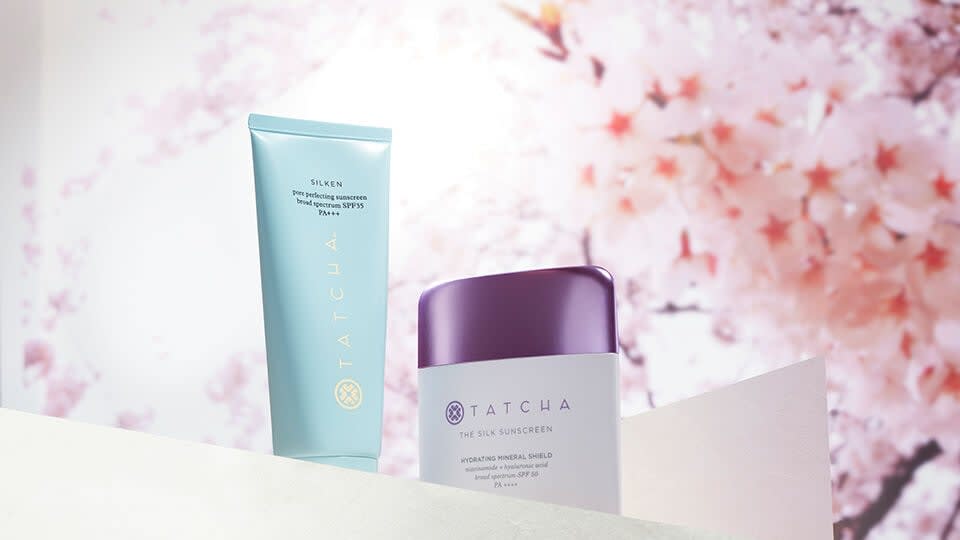
Sunburns happen, but they are preventable with a handful of diligent tips. Here is everything you need to know about how to prevent a sunburn, from every sunscreen tip to the time of day to avoid direct sun. Read this article so you can be protected all year round. While mindfully soaking up the sun’s rays on a warm day is a delight, any sun exposure can be dangerous, particularly for extended amounts of time. Just one mild sunburn can damage skin cells, leading to accelerated aging and the potential risk of skin cancer, notes the CDC. But rather than hiding inside all year round, utilizing a handful of sunburn-prevention tips can help make protecting yourself from the sun manageable. Keep reading for everything you need to know about how to prevent a sunburn.Sunburn 101A sunburn is an inflammatory reaction to ultraviolet (UV) radiation damage to the skin’s outermost layers, says the Skin Cancer Foundation. And there are two forms of UV rays — UVA and UVB. UVA rays are responsible for premature aging, wrinkles, sun spots, and loss of elasticity, notes John Hopkins Hospital. UVB rays cause a much greater risk of skin cancer (but UVA also increases the damaging effects of UVB), adds John Hopkins.While it’s tempting to think of exposure to these intense UV rays as just a summer occurrence, UVA and UVB ray damage can happen year-round, even on cloudy and cool days, adds the CDC. The Skin Cancer Foundation adds that up to 80 percent of UV rays can penetrate through clouds (meaning a cloudy day isn’t an excuse to not practice sunburn safety). This is important to remember because most skin cancers are caused by too much exposure to UV light, notes the CDC.A good reason to stay vigilant about skin protection is that a sunburn hurts in more ways than one, says the Skin Cancer Foundation—first the short-term pain, redness, and discomfort, but also after the burn fades, potential lasting skin damage remains. “Sunburn accelerates skin aging and is a leading cause in the majority of cases of basal cell carcinoma, squamous cell carcinoma, and melanoma, the deadliest form of skin cancer,” notes the Skin Cancer Foundation.How to Prevent a SunburnWhile a sunburn is harmful—it’s preventable. And the best time to start is today. Here is everything you need to know about preventing a sunburn.Time of Day The best way to protect yourself against the damaging effects of the sun is to limit exposure and protect your skin. That’s especially helpful when the sun is at its most potent. In the continental United States, UV rays tend to be strongest from 10 a.m. to 4 p.m., says the CDC. It’s a good idea to seek shade and be extra cautious during these peak sun hours, adds John Hopkins. And remember that reflective surfaces, like water and snow, can increase the damaging rays’ potency.Check the UV IndexThe US National Weather Service and the Environmental Protection Agency (EPA) have developed the UV Index, which explains how strong the UV light is in your area on any given day, on a scale from 1 to 11+. A higher number means a greater risk of exposure to UV rays and a higher chance of sunburn and skin damage.Sunscreen!When it comes to sun protection, nothing is more important than consistent sunscreen usage—but ensure you’re applying it correctly, storing it properly, and using enough.SPF NumberA broad-spectrum sunscreen of 30 SPF (sun protection factor) or higher is recommended by the Cleveland Clinic.TypeThe most important type of sunscreen is the formula you enjoy wearing—whether that be mineral, chemical, or a hybrid. But, the sunscreen must specify that it is broad spectrum, meaning it filters both UVA and UVB rays, notes the CDC.Amount One ounce is needed to cover the entire body, says the Clinic. Don’t forget frequently forgotten spots, says the FDA, like ears, back of the neck, hands, top of feet, and the hairline. Additionally, don’t forget to protect the lips, the delicate skin can easily burn and is often overlooked. There are SPF lip balms that make application easy.FrequencyThe Clinic adds that sunscreen should be applied 30 minutes before sun exposure and every two hours afterward. Additionally, apply more after swimming or sweating.ExpirationMost sunscreens should come with an expiration date (many are listed on the bottom of the packaging). Sunscreen without an expiration date has a shelf life of no more than three years, notes the CDC. And a sunscreen’s shelf life is shorter if it has been exposed to high temperatures.To make sure that your sunscreen is providing the sun protection promised in its labeling, the FDA strongly recommends that you do not use sunscreen products past their expiration date (if there is one), or that have no expiration date and were not purchased within the last three years. Expired sunscreens should be discarded because there is no assurance that they remain fully effective. StorageTo keep your sunscreen in good condition, the FDA recommends that sunscreen containers should not be exposed to direct sun. While outside on a hot day, protect sunscreen by wrapping it in towels or keeping them in the shade. Sunscreen can also be kept in coolers (how refreshing when re-applying, too!) while outside in the heat for long periods.Other Protective Options Sunscreen is a daily must—but it works even better when combined with other protective options, like a wide-brimmed hat, UV-protective clothing, UV-protected sunglasses, and sun protection parasols or umbrellas.Get Skin Checks Examine your skin regularly, suggests John Hopkins. If you notice anything changing, growing, or bleeding on your skin, see a healthcare provider immediately.Best Sunscreens to Prevent a Sunburn At Tatcha, we take the task of protecting your skin from UVA and UVB rays very seriously. We’ve diligently tested and perfected our broad-spectrum SPFs to ensure they not only protect but also feel great on the skin. Choose between two SPF options.Best Mineral Sunscreen Looking for a silky, lightweight, invisible sunscreen with 50+ mineral coverage? Grab The Silk Sunscreen, a broad-spectrum formula that protects against UVA and UVB rays with 10 percent zinc oxide for a mineral, reef-safe filter. Not only does the Silk Sunscreen feel impossibly light, but the invisible protection also impressively minimizes pollutant and allergen disruption. And as the name suggests, the formula features silk proteins, which allows the silky liquid to provide a protective veil of hydration without weighing skin down. In addition to silk extracts, niacinamide visibly evens skin tone, reduces redness, and visibly firms the look of pores and hyaluronic acid helps to immediately boost skin’s natural moisture levels, softness, and skin tone. Best Mineral and Chemical Sunscreen If you prefer a creamy sunscreen with both mineral and chemical protection, our bestselling Silken Pore Perfecting SPF 35 Sunscreen is a superb option. The non-comedogenic and non-irritating formula features skin-loving ingredients that not only protect the skin, but also help tighten the appearance of pores, smooth skin texture, and calm visible irritation. The Silken Pore SPF also features our beloved silk extract for a silky feel, allowing the sunscreen to apply flawlessly. Also, the formula doubles as a primer for makeup, letting you save time and effort.